
Vertical Indoor Agronomy is attracting more and more people all over the world, new start-ups are emerging, small companies are being born, and serious players in the indoor plant growing market are becoming even bigger. This process cannot be stopped, because vertical farming market is growing. And together with it, our site grows, which has grown to include another interesting article that you should definitely read.
We have done extensive work and gathered in one place Top 20 Vertical Farming Companies.
The following twenty are involved in various aspects of vertical farming, including cultivation, production, distribution, repair, support, training, and professional development. Vertical farming encompasses more than just the direct cultivation of plants; it also involves technical expertise and knowledge that determine the efficiency of a farm.
It is impractical to categorize these companies into subgroups, since many of them are involved in multiple areas simultaneously. They not only grow crops but also manufacture vertical components, lighting systems, water pumps, containers, and more. Additionally, they provide training and staff education, conduct experiments and research.
Our ranking of the top 20 vertical farming companies in 2023 will be based on a combination of their profitability and brand popularity, as well as their online visibility.

Hydrofarm Holdings
They manufacture and sell lighting equipment and related chemicals for use in controlled environment vertical farms. One of the world leaders in the market. According to the official press release, the company observes a decrease in the amount of profits in 2022 (to $61.5 M).
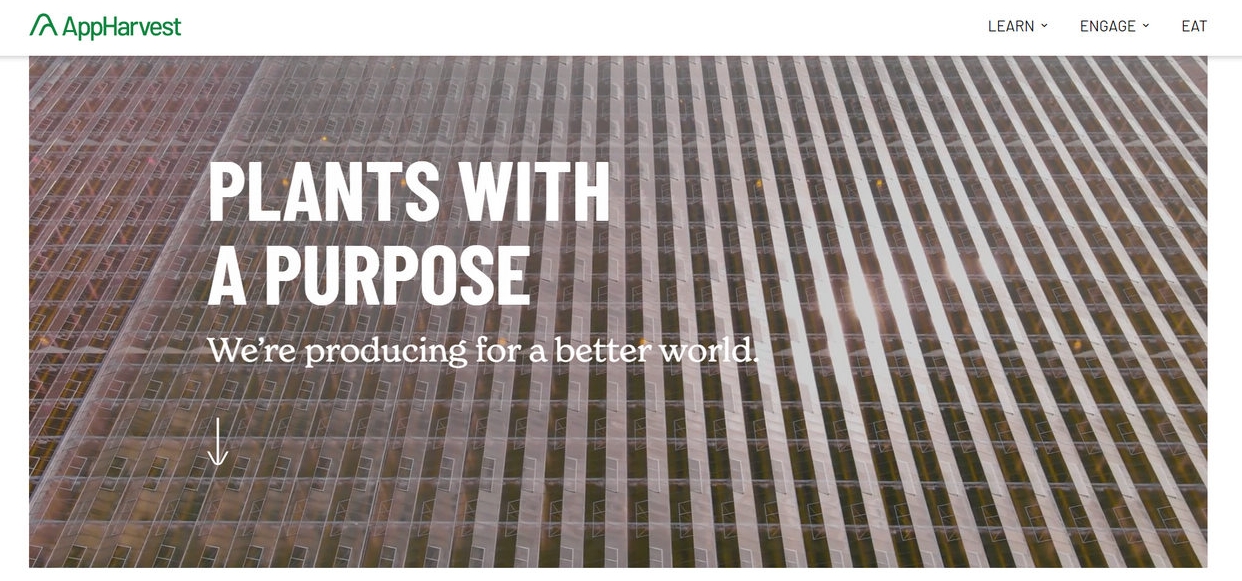
AppHarvest
A sustainable food company in Appalachia (USA) that develops and operates one of the world’s largest high-tech indoor farms with robotics and artificial intelligence to create a reliable, climate-resilient food system.
AppHarvest farms are designed to grow produce using sunlight, rainwater, and yield 30 times more than traditional agriculture.
AppHarvest currently operates several robust vertical farms:
- 60-acre tomato indoor farm in Morehead (Kentucky, USA).
- 15-acre vertical lettuce farm in Berea (Kentucky, USA).
- 30-acre strawberry and cucumber farm in Somerset (Kentucky, USA).
- 60-acre indoor tomato farm (Richmond, Kentucky, USA).
By 2025, AppHarvest plans to open additional farms, with a total of 12 vertical farms.
Revenue in 2022: $14.59 M.

AgriCool – one of the best today among Top 20 Vertical Farming Companies
This is a French company founded in 2015 by two people (Guillaume Fourdinier and Gonzague Greux). AgriCool grows fruits and vegetables using vertical farming technologies (including strawberries, coriander, parsley, basil). The company uses a closed loop water system and LED lights. They also use recycled shipping containers involved in the production of food without pesticides and preservatives.
AgriCool has US $103 Million revenue.

Bowery Farming
An American vertical farming company that is also engaged in the digitization of agriculture. They have the largest farms in the United States in terms of acreage and volume of production, and the main farms are located in Pennsylvania, New Jersey and Maryland.
Bowery Farming grows leafy greens, vegetables and fruits (lettuce, basil, cabbage, strawberries, cucumbers, tomatoes).
Bowery Farming’s estimated annual revenue is currently $191M per year.

Plenty
A vertical farming company located in South San Francisco (California, USA) that uses hydroponics to grow a variety of crops in controlled indoors. They have achieved significant success in increasing the efficiency of resource use in cultivation by vertical methods. Plenty promise “Up to 350x the Yield Per Acre of Conventional Farms.” – and this is not fiction, these are numbers that are already a reality today. Plenty’s revenue may be as high as $96M USD.
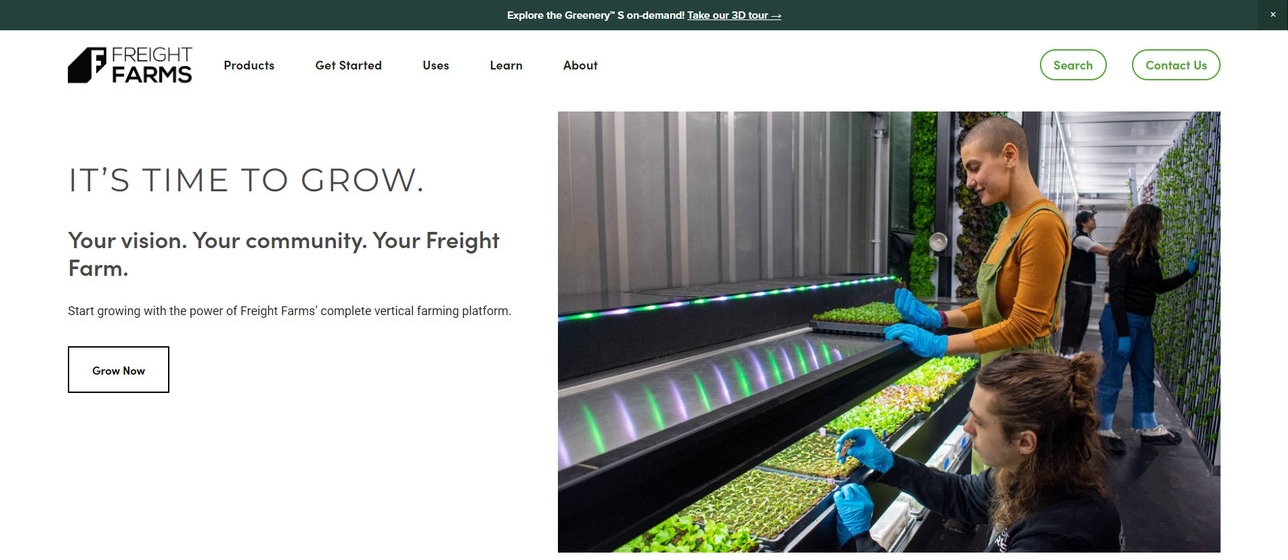
Freight Farms
Another American company engaged in vertical indoor farming. In addition to growing plants, they produce container farms. Freight Farms is, at the time of writing (2023), the market leader in the production of hydroponic systems designed specifically for growing in shipping containers. Freight Farms’ Annual Revenue $4.7 Million.

AeroFarms
One of the few vertical farming companies that successfully grows plants using aeroponic cultivation. AeroFarms plants can often be found in supermarkets under the names Baby Bok Choy, Micro Rainbow mix, Micro Rukola, Micro Broccoli and others. The company has fruitful cooperation with Cargill, which is engaged in the cultivation of cocoa beans. AeroFarms peak revenue was $22.0M in 2022. Quite deservedly is one of Top 20 Vertical Farming Companies today.

Grow Pod Solutions
American company that produces modern, optimized vertical systems for growing herbs and leafy crops. They have their own development, GrowPods: an automated micro-farm capable of scaling. Grow Pod Solutions’s revenue is <$5 Million.
Despite the startup not generating substantial revenue, we were impressed by their philosophy and dedication to enhancing the industry. Therefore, it comes as no surprise that they have earned a spot on this list of the top 20 vertical farming companies today.
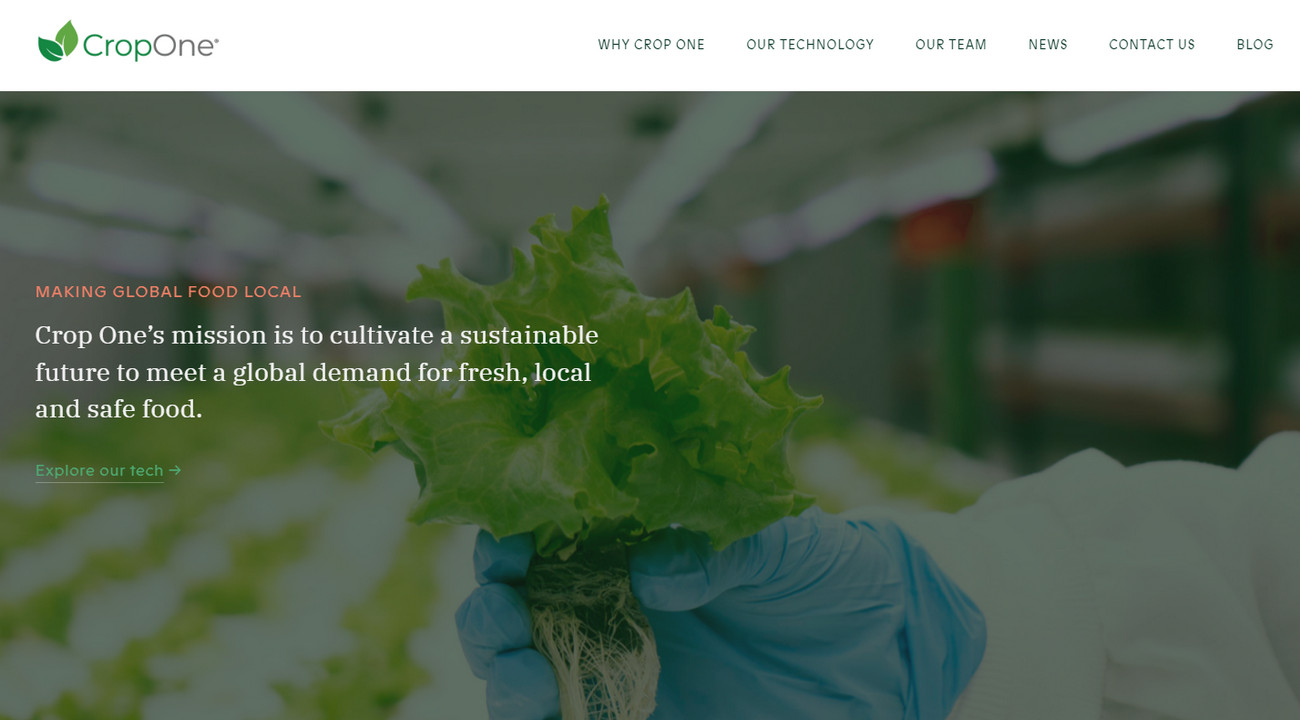
Crop One
California-based agricultural technology company focused on local vertical farming. They have two subsidiaries (FreshBox Farms and a joint venture with Emirates Flight Catering in the UAE). In addition to the production of Crop One, new technologies are being developed to increase the yield of leafy greens. Revenue, $15 Million.
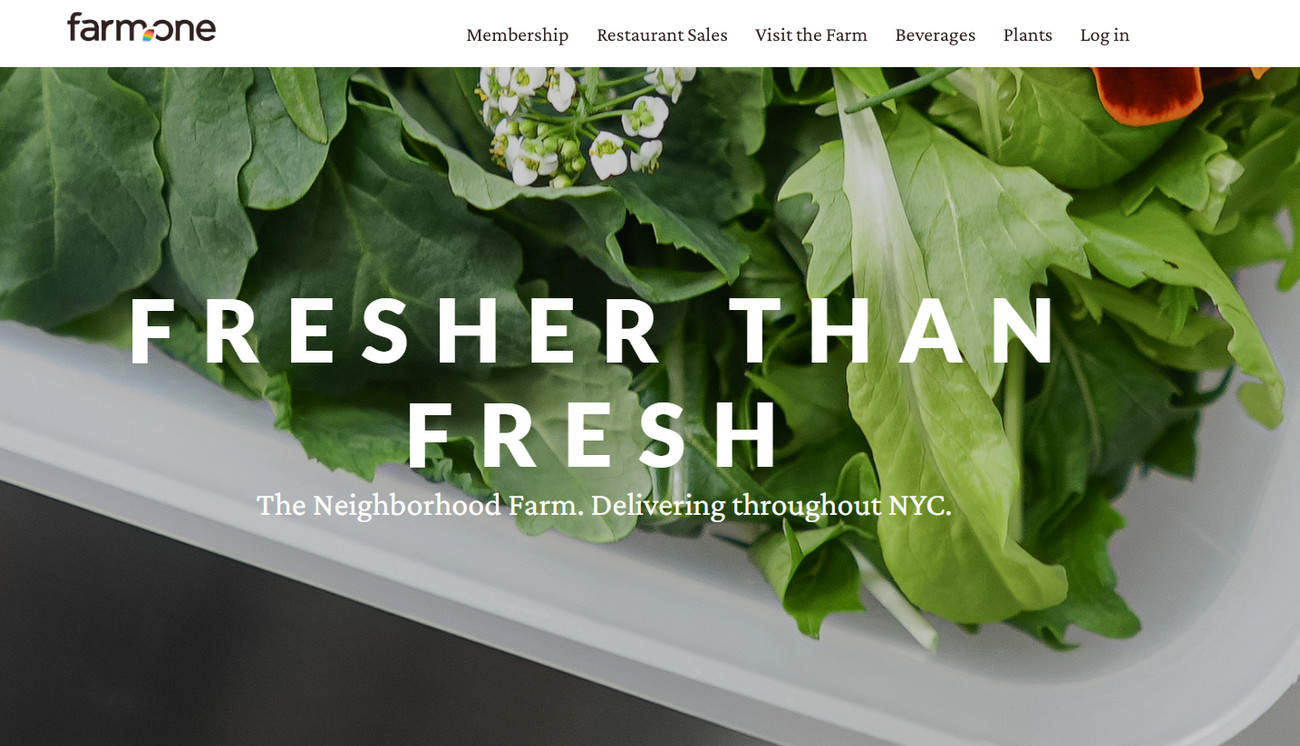
Farm.One
It is a high-tech vertical farm (New York, USA) that offers rare microgreens and herbs. Their clients are usually fine restaurants and hotels. The company does not use single-use plastic, promotes the reduction of carbon emissions and water consumption. Farm.One’s revenue, $9 Million.
Altius Farms
The company has aeroponic vertical farms located at the highest altitude in the United States and among largest in the world by area. They offer advanced training for youth and veterans. Altius Farms’s revenue is <$5 Million.
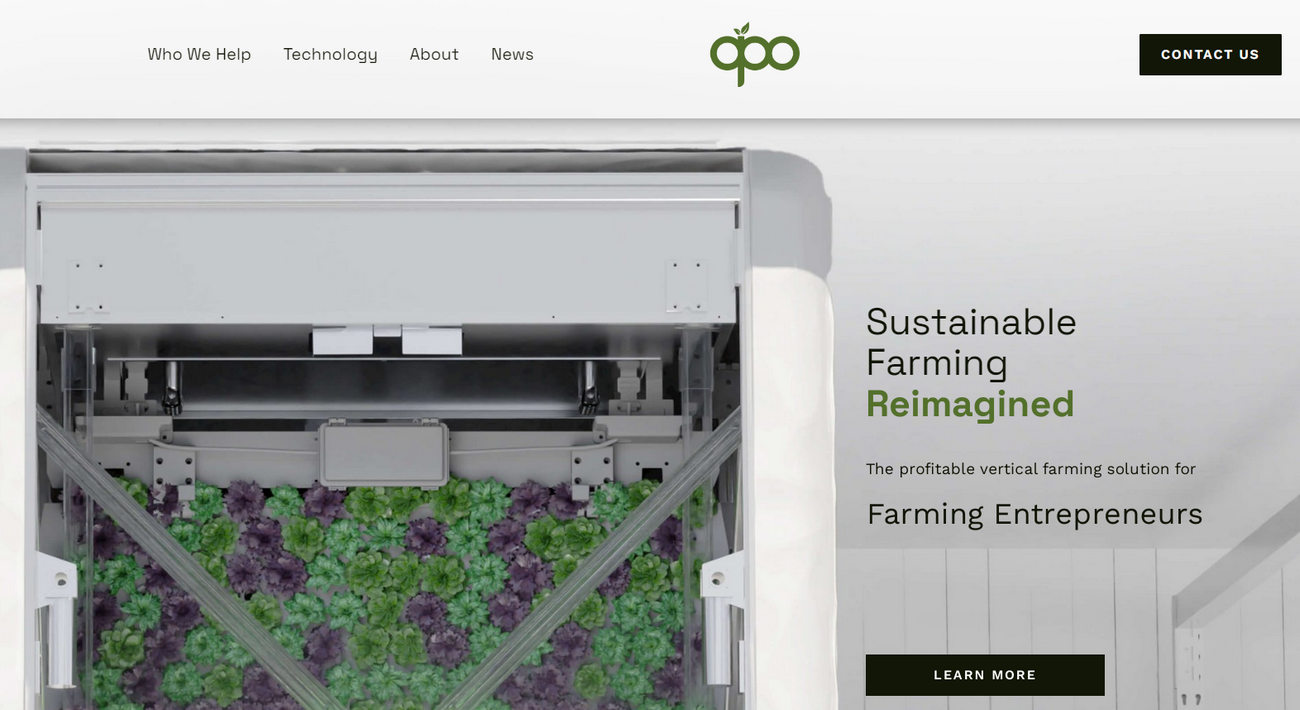
OnePointOne
A company that sets an ambitious goal to help humanity overcome problem of hunger, which will become relevant in coming decades. “We’re on a mission to do the greatest good in the shortest period of time. We love what we do and take pride in every moment of the process.” – they write on their website. OnePointOne’s revenue is $21.2 Million, based on data in open sources.

OneFarm
This company wants to unite around itself a society that wants to break out of the vicious cycle of adding value and develop powerful plant cultivation systems that will be accessible to everyone, as safe as possible and effective over a long period of time. According to the latest data, vertical farming company OneFarm raises €8.7M.

Futurae Farms
On the main page of their website, phrase “A next-generation farming and technology company creating a more accessible and nutritious future” sounds nice. The company does not have significant achievements, but actively offers itself in search engines. According to data in open sources, Future Farm’s revenue is $6.3 Million.

BrightFarms
It is a vertical farming company based in New York (USA) that uses hydroponics to grow leafy greens, herbs and other produce. BrightFarms peak revenue was $11.5M in 2022.
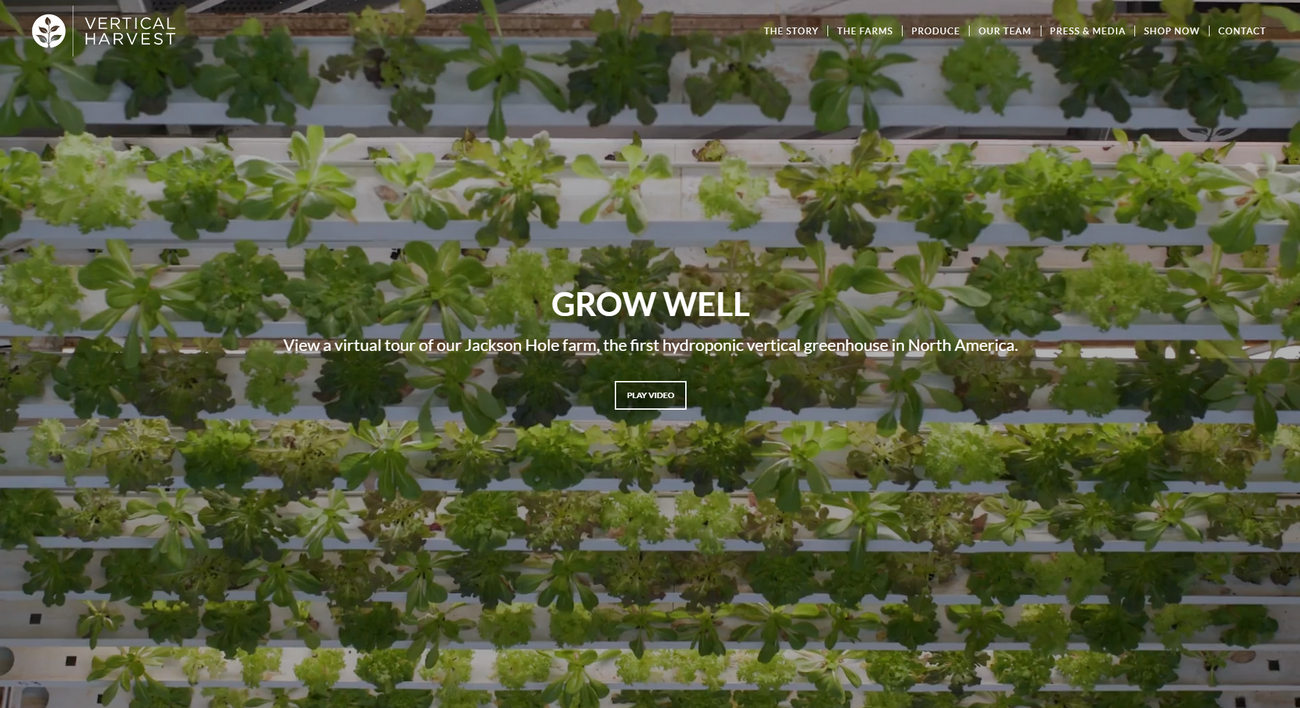
Vertical Harvest
A vertical farming company based in Jackson, Wyoming, USA. Uses hydroponics to grow a variety of crops in three-story greenhouses. Their products can be found in supermarkets under the following names: Sweet Mix Lettuce, Dr. Feel Good, Pea Shoots, Spicy Mix, Rev It Up Mix, Vertical Vibrant Mix.
Affordable prices, quality, environmental friendliness and grandiose plans for production growth. Vertical Harvest’s revenue is $7.1 Million.

Oishii
A vertical farming company located in Japan that uses hydroponics systems to grow primarily strawberries. The company claims that they are: Vertically farmed, Pesticide-free, Nutrient-rich, Hyper-local, Perfectly ripe, Non-GMO, Always-in-season. Oishii’s revenue is $5.3 Million.
Vertical Farm Systems
It is a company located in the Netherlands. Offers modern automated technologies for vertical farming. On the way to their current developments (including three unique technologies), they constantly solved the most painful moments in vertical farming and therefore created really necessary tools and equipment for effective cultivation of plants indoors.
Vertical Farm Systems’s revenue is <$5 Million.

Urban Crop Solutions
It is located in Belgium. For several years, the company has been engaged in the development of technologies that improve yield of plants on a vertical farms, as well as looking for solutions to problems in other sectors (industry, artificial meat cultivation, protein cultivation).
Urban Crop has ambitious goals to improve the lives of mankind, so it is not going to stop there and continues to surprise the world.
Urban Crop Solutions’s revenue is $5.8 Million.
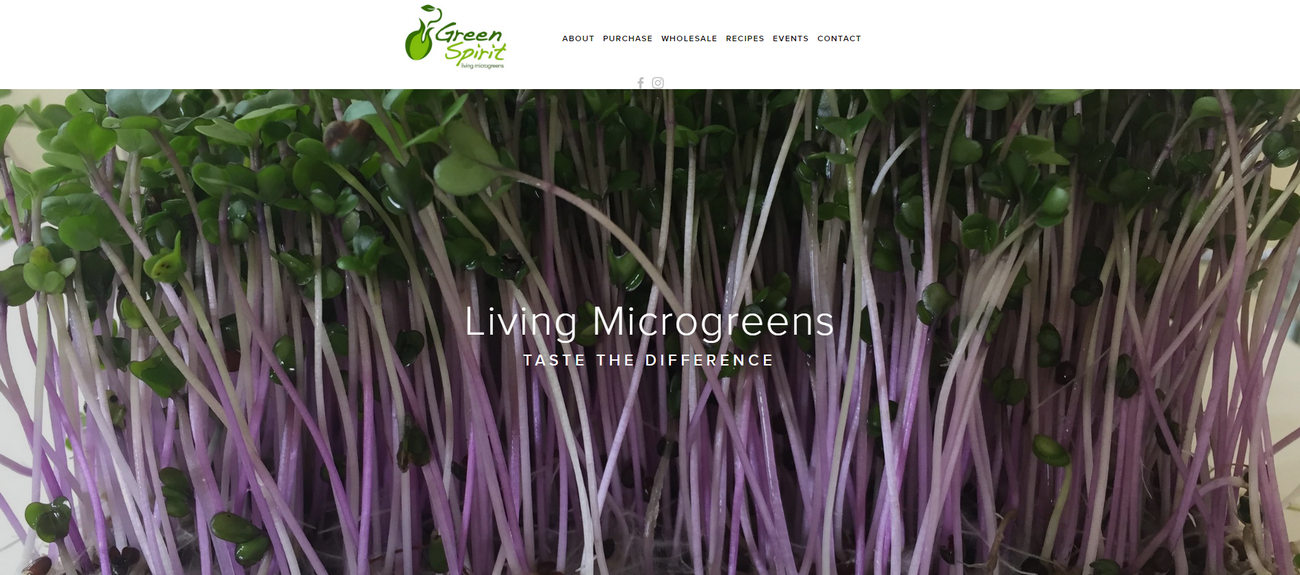
Green Spirit Farms
Another American company located in Michigan that grows microgreens on an industrial scale. They have a small vertical farm, so we did not find data on profits in open sources.
Green Spirit Farms is attentive to its customers and works directly with the end consumer, offering a wide selection not only of microgreens, but also services of address delivery, layout of your own regular diet, recipes.
Conclusion
We have included only the top 20 companies today in the vertical farming industry based on their revenue as of mid-2023. For a comprehensive list of all companies and startups, please refer to the Companies section.
Indoor vertical plant cultivation is currently gaining significant momentum, with companies worldwide establishing large-scale complexes of buildings. These farms are not only impressive in terms of their size, but they also serve as a testament to the advancements and evolution of modern technologies. Each of the companies we discussed aims to optimize the vertical farming process by prioritizing efficiency and integrating innovative developments, rather than merely expanding their production areas.
Our mission is to disseminate high-quality content to society, promoting the responsible and efficient use of natural resources. We also strive to encourage individuals to seek solutions to pressing issues such as food scarcity, hunger, population growth, and ecological concerns. We want to reach as many people as possible who are interested in making positive changes through vertical farming.
Stay connected to our website, as we are committed to providing only high-quality materials about indoor agronomy and staying up-to-date with the latest in vertical farming.
Grow with us!
Visited a vertical farm last week, and it blew my mind. The precision and control they have over the growing conditions are unmatched. The taste of the produce was top-notch too! Can’t wait to see more of these farms pop up and revolutionize our food supply.