
Vertical farming is a relatively new branch of agriculture, which brings not only uncertainty in cultivation methods but also numerous questions, especially regarding its prospects. In this article, we will explore one of these questions: Why is vertical farming is the future of food?
Experiments
Despite the limited information available on effective indoor harvesting under controlled conditions in a well-defined environment, farm owners continue to experiment, demonstrating that vertical agronomy method has yet to reach its limits and can further develop both qualitatively and quantitatively.

Different methods and approaches
As mentioned in our main article about vertical cultivation, the history of this industry is not so big, even though the vertical method itself has been utilized for some time.
However, it is essential to understand the significant difference between vertical cultivation (the general method’s name) and vertical farms, which possess a specific range of functional features, particularly those that provide stable, near-ideal cultivation conditions.
In other words, vertical harvesting can occur both on building facades and at home on walls (using special stands for plants). Moreover, it also applies to industrial crop production, where the primary goal is to achieve the highest possible harvest, leading to dedicated efforts in creating optimal conditions for plants to thrive and ensure a consistent yield.
CEA
Controlled Environment Agriculture (CEA) is another term that clarifies the specialization of vertical farming and distinguishes it from general vertical cultivation under controlled conditions.
Hopes of farmers and entrepreneurs
In recent years, the vertical farming market has experienced significant growth, with numerous investors recognizing the industry’s potential and contributing their funds to the development of companies worldwide. However, recent market observations show a gradual decline in entrepreneurial interest due to certain circumstances, such as decreased profitability and increasing disadvantages of vertical farming, which have become more apparent over time.

Why is vertical farming the future of food?
Despite these trends, enthusiasts continue to push forward, developing their companies and persevering in the face of challenges. Markets and demand for fresh food, primarily green plants, microgreens, and strawberries, cannot simply disappear, as the complexity of growing on vertical farms increases.
While the industry faces difficulties, companies in the US and Asia maintain strong performance and continuously improve their cultivation methods.
Future growth in food demand
The establishment of new vertical farms is driven not only by the prospect of profitability, but also by the desire to address global issues facing humanity. Considering the projected increase in demand for all types of plants in the coming decades (e.g., 10, 30, or 50 years), the answer is a resounding “yes.” As the Earth’s population continues to grow, the demand for food will inevitably rise, and vertical farming can play a crucial role in meeting these demands by offering its products.
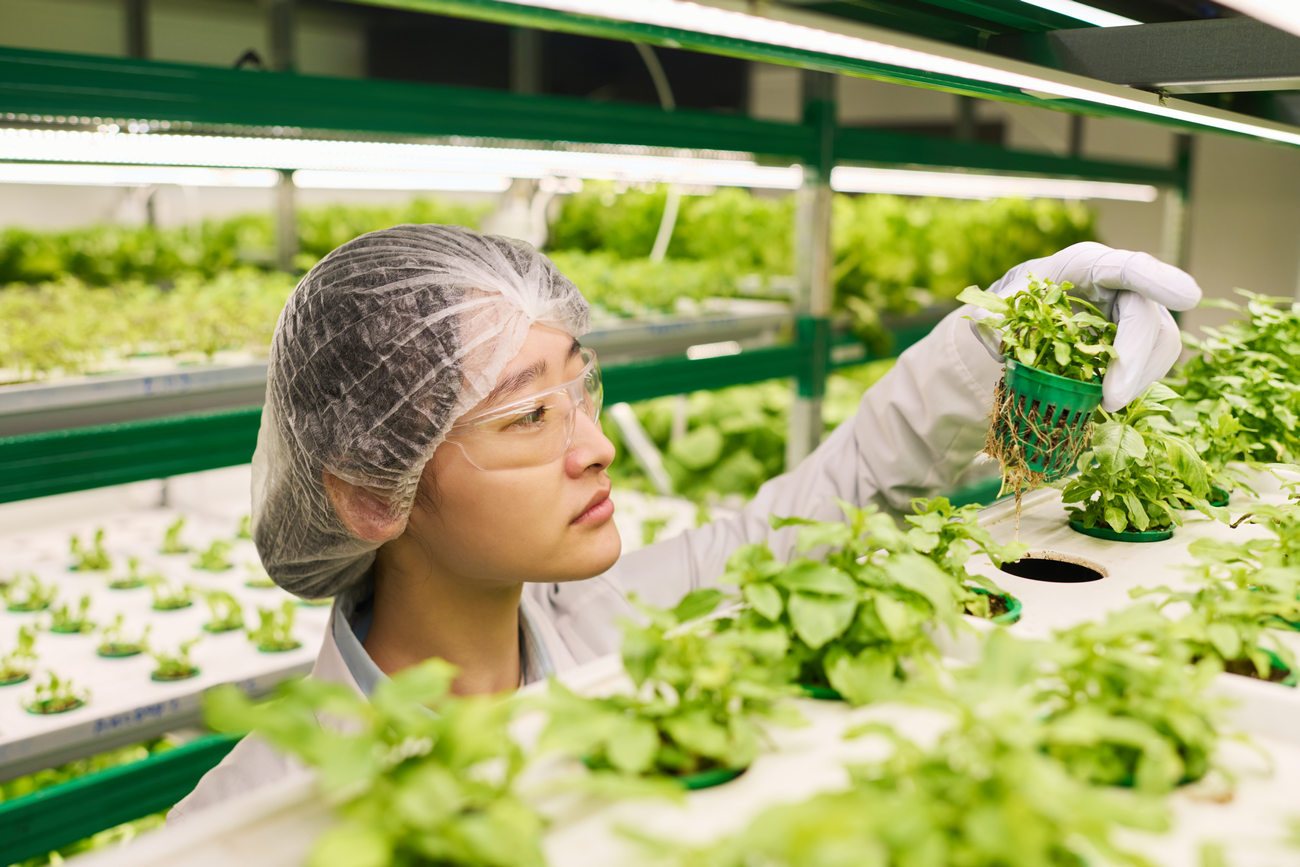
Limited number of plants
One of the main disadvantages of vertical harvesting is its limited ability to effectively grow cereals, fruit trees, and other crops.
It only proves profitable for a limited number of species indoors, which prompts farm owners to expand production, improve cultivation methods, and adapt to growing demand.
However, this limitation is not considered an obstacle, as consumers understand what to expect from these farms and the products they offer. Similar to how people don’t complain at supermarkets about not finding packaged rice or wheat alongside salads.
Reasonable individuals comprehend that vertical farming efficiently caters to a specific sector of agriculture focused on a limited number of plants. Despite these plants having low-calorie content, they will significantly benefit humanity during challenging times in the future.
Vertical farming is the future of food
As of 2023, cultivation methods are continuously improving. The progress in efficiently growing even a limited range of food is noteworthy, and one can only imagine what developments might occur in the next five years. The pace at which technologies are advancing is remarkable, and modern agricultural inventions boost productivity, achieving results that seemed like distant dreams just five years ago.
Farmers and entrepreneurs are driven by enthusiasm, actively seeking methods to increase yields and tackle pressing issues. This drive makes vertical farming the future of food because:
- Each year will bring new positive developments to the industry.
- Enthusiasts worldwide are united in the common goal of meeting humanity’s food demand, and vertical farming plays a crucial role in addressing challenges.
- Technological innovations will expand the boundaries of vertical farming significantly over the next five years.
- Despite its drawbacks, this method is ahead of its time and offers options that traditional agriculture lacks.
- Vertical cultivation emerges as an alternative, ambitious goal, and a dream of improving people’s lives on Earth.
- Vertical farming represents a strong desire to enhance sustainable production methods, conserve resources, increase efficiency, and explore alternative solutions.
These factors collectively point towards the future, one that will consistently challenge people’s resilience and adaptability. Embracing this approach is crucial for rescuing the food industry from the relentless growth in demand.
That’s precisely why vertical farming holds the key to the future of food. With this understanding, don’t you agree that we are likely on the right track? The main thing is to keep moving forward without stopping!
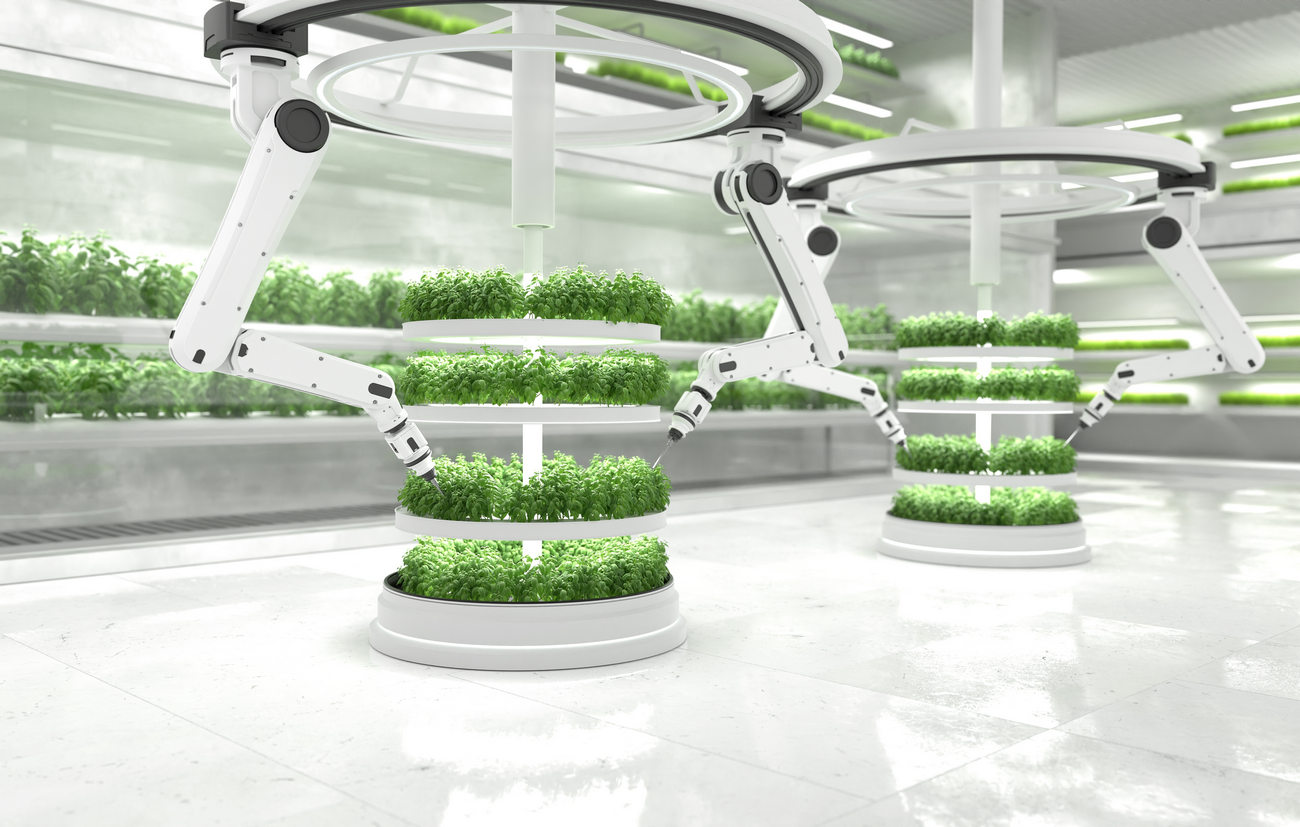
Modern companies
Examining the proposals of modern companies involved in vertical farming reveals common features: they focus not only on profits, payback, and profitability, but also on solving future hunger problems.
There’s a growing desire among companies to participate in the collective effort to provide affordable and high-quality food to as many people as possible.
While today’s offerings may include around 30 types of plants, through collaboration, we envision being able to offer 100 or even 200 different items in the coming years.
This positive outlook not only uplifts the mood but also influences considerations for the future.
The direction we choose to take becomes crucial.
Opting for an optimistic perspective, we see vertical farming as the future of food and a potential savior for humanity, eradicating hunger concerns.
We dream that in a few decades, vertical farms will have developed significantly, turning these dreams into reality.
Now is the time for action. Let’s cultivate not only on farms, but also in our minds: nurturing good ideas and thoughts through vertical thinking.
Wanna join us on this journey?
Images: shutterstock.com
Wow, I had no idea vertical farming was this fascinating! It’s so cool to learn how they’re experimenting and pushing the limits to make it work. The idea of growing plants on walls at home is mind-blowing. I can totally see why people are excited about this future of food.
It seems way more efficient. This article explained it so well, but I’m still wondering about the costs. Maybe, they could have thrown in a bit more detail about that? Overall, great read! ill back later bruh. Write more stuff)))