
Vertical farming encompasses three distinct systems utilized for plant cultivation within enclosed environments. These systems share certain characteristics while also exhibiting differences in their operation, advantages, and disadvantages. Below in this article, we will delve into these details extensively.
What are the Three Types of Growing Systems employed by Vertical Farms?
They are hydroponics, aquaponics, and aeroponics. A noticeable similarity among their names is the Greek root “ponos,” which translates to “labor”. Each system’s name is formed based on its primary focus. “Hydro” and “Aqua” share a common meaning, since hydroponics serves as the foundational type. It lays the groundwork for the other two types of growing systems, as the “hydro” element is pervasive and water holds paramount importance.
1. Hydroponics
What is hydroponics?
Hydroponics is one of the three types of vertical farming and is a subset of hydro culture that involves growing plants, typically agricultural or medicinal, without soil. Instead, plants are grown using water-based solutions of mineral nutrients in aqueous solvents. In this method, plant roots come into contact with a liquid containing all the necessary components for effective and highly productive growth.
This type of cultivation is widely popular in vertical agriculture due to its numerous advantages, especially when compared to traditional methods of plant growing.
Historical reference
Hydroponic cultivation has been practiced since ancient times. The Hanging Gardens of Babylon and Aztec plantations in Mexico utilized hydroponic techniques.
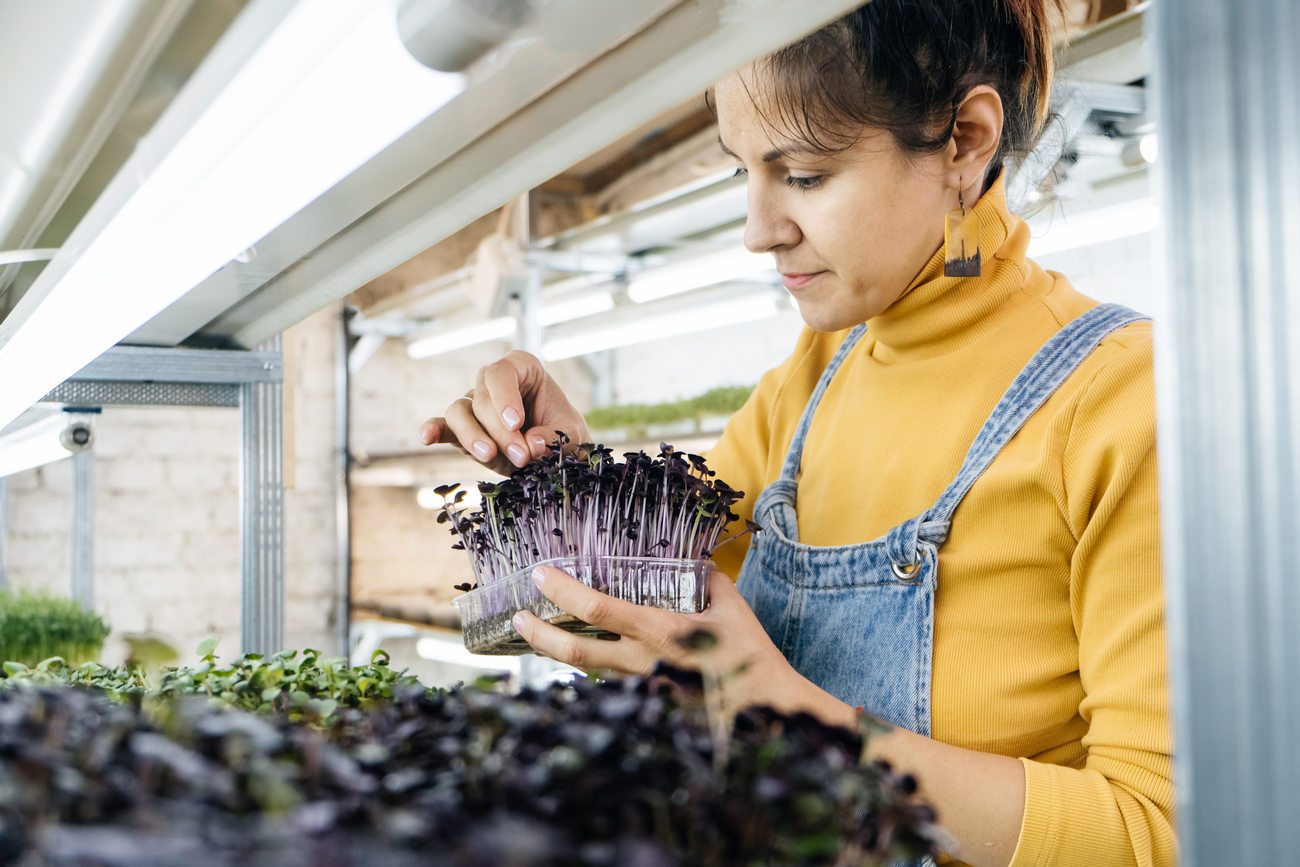
Advantages of hydroponics in vertical cultivation
This method has become actively used in vertical farming, because it has significant advantages:
- Increased harvest volume. With properly designed and placed hydroponic structures, the yield can be several times higher compared to traditional soil-based agriculture. This is achieved by continuously supplying plants with a nutrient-rich water solution.
- High level of control. The amount of nutrients, acidity levels, solution hardness, and temperature can all be precisely regulated and delivered to the plants in optimal proportions. Experienced vertical farm operators can create an ideal nutrient composition, promoting efficient growth, preventing diseases, and maximizing productivity.
- Significant water savings. Modern vertical farms employing hydroponic systems can use up to 95% less water than traditional farming methods. The water solution operates in a closed loop, constantly circulating and undergoing stages of purification, enrichment, and quality control.
- No soil is required, which is the primary and distinguishing characteristic of hydroponics. The absence of soil offers several advantages for farmers in vertical farming, such as the ability to construct entire complexes in limited spaces and grow plants in unfavorable locations lacking nutrient-rich soil. It eliminates the need for complex processes associated with soil management, control, and replacement of the growing medium.
- Possibility of vertical cultivation in a controlled environment. These systems can be easily adapted to indoor farms, allowing farmers to meticulously regulate all aspects of the environment, including lighting levels, temperature, humidity, and more. This enables the creation of perfect conditions for maximizing yield and growth rates.
- Absence of diseases and pests. Diseases and pests are virtually non-existent in closed vertical farms due to the favorable conditions maintained. Negative factors have minimal opportunity to develop and adversely affect plant vitality. In rare cases of infection, the aqueous solution can be enriched with necessary pesticides, although this occurs extremely infrequently.
- Growing plants all year round. With programmable lighting and water supply systems, plants can be cultivated year-round. This means farming can be conducted regardless of adverse conditions outside the enclosed space, such as during winter, extreme heat, heavy rains, hurricanes, and so on.
In a separate article, we will provide a comprehensive list of all the advantages of hydroponics in vertical farming, where we will thoroughly discuss this plant cultivation type. However, it is worth noting that this combination of advantages positions hydroponics as a leading method. A smart farmer stands to gain significantly by implementing hydroponic systems in their vertical farms.

Disadvantages of hydroponics
- Expensive to install. In comparison to traditional farms, hydroponic systems are pricier to purchase and construct. The more extensive the vertical farm’s area, the greater the investment required for the hydroponic setup. Prices for the most affordable options start at around $1,000.
- Vulnerability to power outages. Without alternative power sources like fuel generators, solar panels, or batteries, a vertical farm may come to a complete standstill, resulting in crop loss or significantly slowed plant growth. Electricity is crucial not only for operating the hydroponic system, but also for lighting and powering other electrical devices that provide optimal conditions for plants. Ensuring a reliable power supply should be a top priority.
- Requires constant monitoring and maintenance. The slightest deviation from instructions can lead to the destruction of the entire crop. Vertical farms demand continuous monitoring and active cultivation, allowing no room for pauses or delays. Someone must always be present on a vertical farm to oversee all parameters such as water, humidity, light, hydroponics, and air purity.
- Waterborne diseases. In a small vertical farm lacking a good filtration system, waterborne diseases can become a relevant concern. Resorting to chemicals and pesticides should be considered an extreme measure, as it can negatively impact the quality and environmental friendliness of the harvested produce.
Problems affect plants more quickly. Mistakes made in hydroponics have more immediate consequences compared to soil-based or other types of vertical cultivation. The fine-tuned nature of hydroponics allows for swift influence over factors such as temperature, water composition, and lighting. Therefore, the hydroponic growing process requires the expertise of qualified workers who understand the intricacies and specificities of vertical farming, ensuring careful development and control.
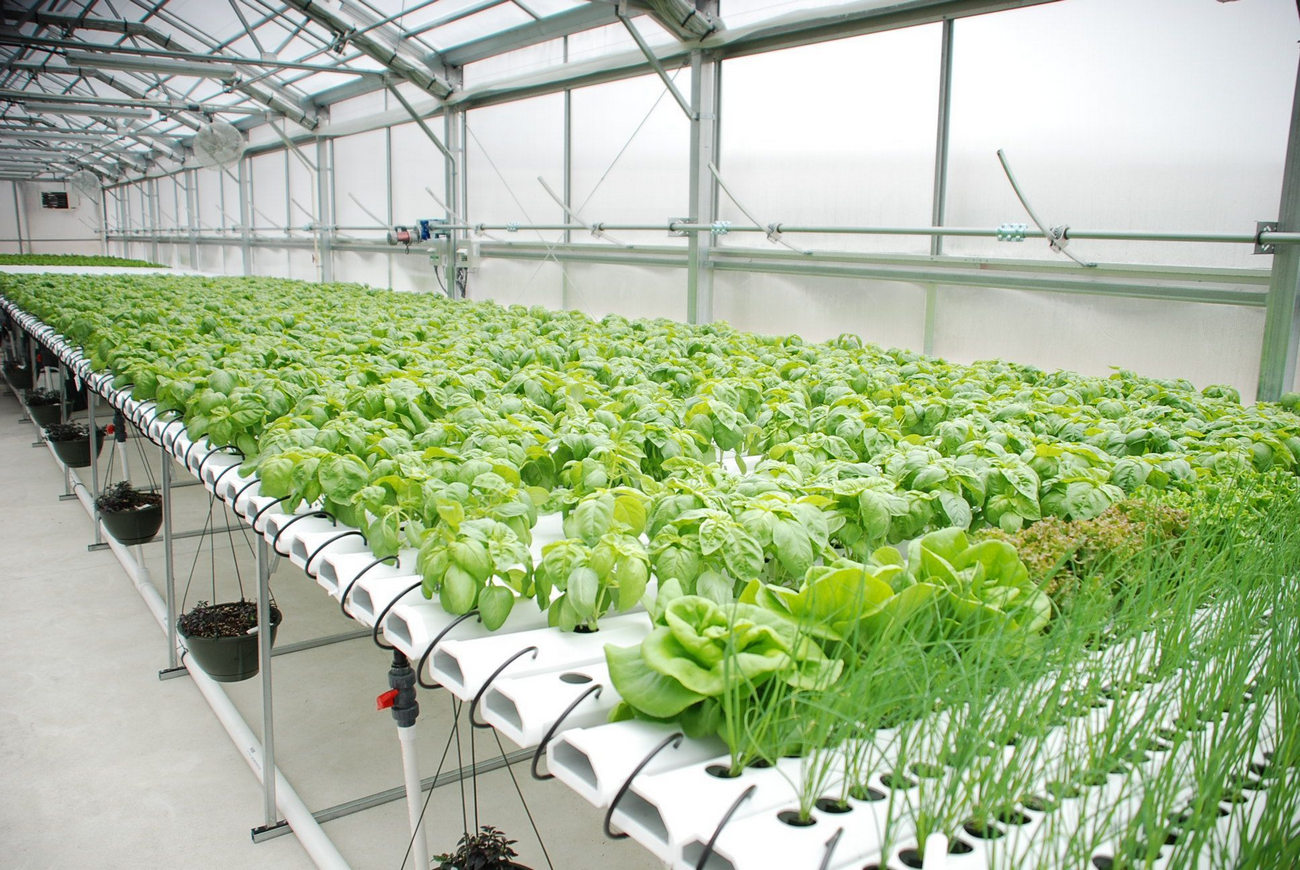
Features of hydroponics
When employing this planting technique, the roots are exposed to a nutrient-rich solution containing essential elements for growth in balanced concentrations dissolved in water. This solution provides all the necessary chemical elements for optimal development. As a result, plants can thrive solely in a mineral solution or in inert mediums such as gravel, perlite, or sand.
The active use of hydroponics in vertical agriculture began when scientists observed that plants absorb essential minerals through inorganic ions dissolved in water. In natural conditions, soil serves as a reservoir of mineral nutrients, but the presence of soil itself is not crucial for plant growth. When mineral nutrients in the soil dissolve in water, plant roots can absorb them.
Hydroponics proves suitable for growing almost any type of plant.
Hydroponics growing systems
There are various hydroponic systems available, each employing different methods and approaches to plant cultivation:
- NFT (Nutrient Film Technique). These are plastic structures with openings for plants, where water constantly circulates, providing nourishment to the plants.
- Wick Systems. Popular among beginners and suitable for DIY projects due to their simplicity.
- Ebb and Flow (Flood and Drain System). Involves periodically flooding the plant roots with a nutrient solution and then draining it away.
- DWC (Deep Water Culture). In this method, plant roots are suspended in a nutrient-rich water solution, and oxygen is supplied through an air pump or diffuser. DWC can be used in vertical farming setups and is commonly utilized for growing various plants, including leafy greens, herbs, and fruiting plants.
- Drip Systems. These systems deliver a nutrient solution directly to the roots through a network of tubes.
- Aeroponics is a hydroponic system that entails spraying the roots of plants with a water solution rich in nutrients. This technique is commonly employed in vertical farming environments and is particularly suitable for cultivating leafy greens and herbs.
Video about hydroponics
In order to have a better understanding of this cultivation type, we advise you to watch the following video materials:
All about Hydroponics
What Is Hydroponics And How Does It Work?
If you want to get the most useful information, we advise you to follow the updates of our site, as well as read the article on hydroponics on Wikipedia.

2. Aquaponics
What is aquaponics?
Aquaponics is the second type of cultivation employed in vertical farms, wherein food products are obtained within indoor through the combination of aquaculture (fish farming) and hydroponics (plant cultivation in water). Although not as widely practiced as hydroponics, aquaponics offers advantages that can be crucial for certain farmers.
Features of aquaponics
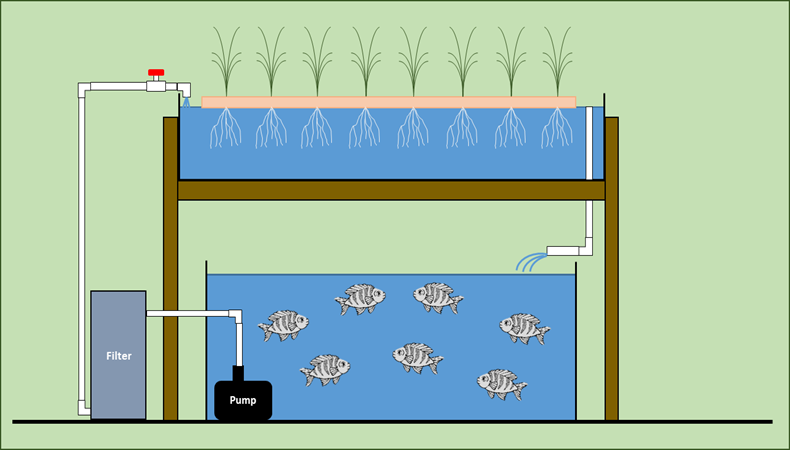
The concept of aquaponics revolves around the natural interaction between aquatic organisms and plants. The system consists of two tanks positioned one above the other. The lower tank houses the fish, while the upper tank is dedicated to plant growth. Water from the fish tank is pumped up to the plants, supplying them with necessary nutrients.
Fish waste contains nutrients that are beneficial for the plants, but toxic to the fish themselves. The plants absorb these substances, effectively cleansing the water for the fish and promoting the growth of both plants and fish. The purified water is then returned to the fish, creating a continuous cycle.
Aquaponics gained popularity alongside the development of aquarium culture, where plants also serve the purpose of absorbing and processing fish waste. Fish waste acts as a natural fertilizer, significantly increasing productivity and accelerating the ripening of plants.
Aquaponics in vertical farming
While aquaponics requires additional effort to ensure the well-being of the fish and involves more complex equipment and monitoring, some companies have embraced this method in their indoor agricultural practices. Examples of such companies include Aquafarm from Ukraine, Nelson & Pade Aquaponics, Pentair Aquatic Eco-System (manufacturer of systems, equipment, and supplies), The Aquaponic Source (provider of aquaponics systems), and Hydrofarm (offering a comprehensive range of services for this type of cultivation).
Advantages of using aquaponics
- Environmental friendliness. The system requires minimal pesticide usage and agrochemicals, resulting in significantly lower nitrate content in green crops compared to traditional soil-based methods.
- Ability to obtain multiple types of products (including both plants and fish).
- Extremely economical water usage. The closed cycle allows for long-term utilization of fixed volumes of water, with only minimal losses due to evaporation and direct plant consumption.
- Effective use of space. This is one of the main advantages of vertical farms in general, but aeroponics allows you to reach a new level of efficiency.
- Ecology of plants and fish. Indoor farming provides maximum safety for all living organisms of vertical agriculture.
- A wide range of cultivation. The owner always has the opportunity to choose the most profitable components (different plants, different fish) among many options.
But there are significant disadvantages of aquaponics, which we will talk about below in the article “3 Types of Growing Systems in Vertical Farming”.

Disadvantages of aquaponics
- Valuable equipment. To build an aquaponic farm, you will need more than one thousand dollars. Maintenance, repair, monitoring – all this also affects the budget.
- High consumption of electricity. This is a minus of all vertical farms, so it is not surprising that electricity also exists in aquaponics systems.
- Increased requirements for farmworkers. They should be qualified specialists who understand the effective cultivation of not only plants, but also fishes.
- Low development of the industry. The experience of aquaponic farms is constantly replenished with new examples, successes and failures. Due to low popularity of this growing type, there is much fewer data on effective cultivation of various plant crops.
- Aquaponics is not adapted to the cultivation of root crops.
- The difficulty of creating optimal conditions. Biological relationships between different groups of organisms require greater resources and knowledge to achieve maximum results.
- Dependence on the sale of fish. If aquaponics does not involve making a profit from breeding and selling fish, then cost of plant component increases significantly and under certain conditions can reach unprofitable values.
Look for a complete list of positive aspects of aquaponics in the relevant article on our website.
Video about aquaponics
For a better understanding of the features of growing indoors using the aquaponics method, watch the following video:
What is Aquaponics?
Backyard Aquaponics Grows Fresh Fish and Lettuce
3. Aeroponics
Another method of growing plants without soil, now – in an air environment. The components of this word speak for themselves. The name of this method comes from the Greek words “air” and “labor”.
Aeroponics delivers nutrients to plant roots in the form of an aerosol. Unlike hydroponics (classic traditional technology), which uses water saturated with the necessary nutrients as the main medium, aeroponics method of indoor farming does not involve the use of a soil substrate or other alternatives, because plants (including their roots) are literally in the air.

Advantages of aeroponics
- Ecologically clean method of cultivation.
- Saving water and energy (compared to traditional farming, as well as hydroponics).
- Accelerated plant growth. It is achieved due to the greater amount of carbon dioxide contained in the air.
- Minimal risk of plant disease. The absence of soil and substrate reduces to a minimum the probability of infection and damage to plants.
- The possibility of vertical scaling. As in the previous point, the absence of a growth environment increases variability and allows a bolder approach to the construction of multi-level structures, vertically stacked layers.

Disadvantages of aeroponics
At first glance, it seems that this is a perfect type of growing systems in vertical farming, but let’s look at the disadvantages:
- The need for constant control of pH, the ratio of nutrients. Only experienced people can provide optimal indicators and quality control. This type of system is not for beginners.
- The cost of initial installation and setup is high, like any modern vertical farm.
- Dependence on electricity. If the electricity disappears, then the hope is either for alternative power sources or for manual watering.
- High requirements for technical knowledge of workers. Highly qualified workers are needed to set up all the necessary options and monitor and adjust them.
- System dependency. An aeroponic vertical farm cannot function if the water supply system fails. Spray nozzles, high-pressure pumps, timers – everything should work perfectly.
- Regular disinfection of roots. Necessary to prevent diseases.

The primary advantages of aeroponics include accelerated plant growth and increased yields in comparison to other cultivation systems. However, it’s important to note that the initial cost of installing an aeroponic system is higher.
Aeroponics also demands technical expertise and continuous monitoring of various indicators. Moreover, it is more susceptible to disruptions in energy and water supply, which can affect the nutrient delivery process.
For more in-depth information on aeroponics, we have prepared a dedicated article on our website. It serves as a valuable resource for those interested in vertical farming and contemporary cultivation methods.
Examples of the use of aeroponics on an industrial scale
To consolidate the material, we suggest watching the video “Aeroponics Potato Farming. Potato Chip Process Factory. Modern Potato Agriculture Technology”:
Video about three types of vertical farming
We’ve covered all three types of growing systems in vertical farms, now it’s time to draw some conclusions. And to begin with, we offer for viewing another video, which explains each of indoor farming methods mentioned by us in simple words with visual support:
Conclusions
Hydroponics serves as the foundation of vertical farming, as it utilizes water as the primary medium for cultivation. This method is widely understood, extensively practiced, and highly popular. It is relatively affordable and equally profitable when compared to traditional plant growing techniques.
Aquaponics, although intriguing, poses more challenges for vertical scaling and falls short in terms of functionality compared to the other two approaches. It is less prevalent and requires further scientific research, experimentation, and improvement to be viable on an industrial scale.
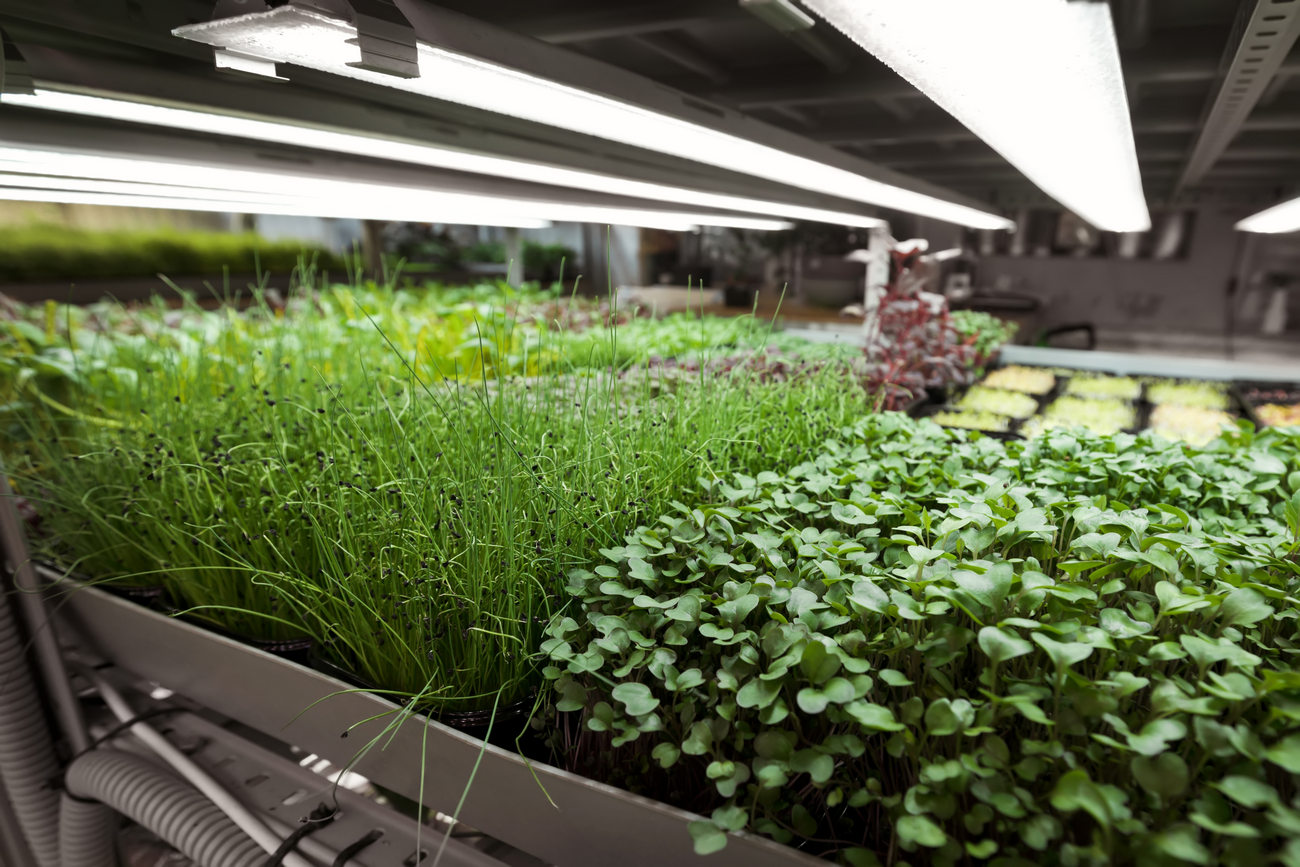
Aeroponics, on the other hand, offers its own advantages but demands a higher level of technical and scientific expertise. The setup and monitoring necessitate skilled specialists, and the equipment is more expensive. The system’s efficacy relies on the seamless operation of various individual components.
All three methods have their pros and cons, which we have outlined on this page and discussed in separate articles on our website.
All three types of vertical farming mentioned share common characteristics that define the modern landscape of industrial plant production:
- firstly, they are more environmentally friendly than traditional crop cultivation methods;
- secondly, they significantly conserve water and require less land area;
- thirdly, they entail a high entry threshold due to the cost of equipment;
- additionally, precise control of the optimal environment is crucial;
- they all exhibit exceptionally high yield rates;
- lastly, these methods heavily rely on electricity for operation.
We will delve into each of these three types of growing systems in vertical farming in more detail through separate articles. Therefore, we encourage you to subscribe to our site updates, visit us frequently, and follow the updates in the “Articles” section to grow alongside us!
so glad i found your resource. I like how you write emotionally about such ordinary things. I think you are just at the beginning, because there are not many articles and news here, but what you are doing is good. I wish you don’t stop and keep writing about it. I am a bit interested in vertical farming, so this topic is also close to me, and I am studying various articles, opinions, observations and studies. So you and I are moving in the same direction, I will follow you, thank you
This article is really good! I always thought farming had to be horizontal, but this vertical farming thing is mind-blowing. It’s like, why didn’t we think of this sooner? So excited to see how it evolves! 3 types lol really?)))