
In this article, we will explore the concept of vertical farming, its distinctive features, advantages, and disadvantages as a method of plant cultivation. We will also discuss the problems it addresses and whether it has the potential to become a crucial source of high-quality food in the future. Additionally, we will provide an overview of current developments and advancements in the world of vertical farming.
Our website is exclusively dedicated to vertical farming, ensuring that you will find a wealth of valuable information on this subject. We aim to cover, discuss, highlight, and address all possible questions related to vertical farming in one way or another.
We diligently gather information from primary sources and offer unrestricted access to all articles, news, scientific publications, studies, and documents free of charge.
Let’s dive into the world of vertical farming together!
What is vertical farming?
Vertical farming is cultivation of plant-based products indoors, which involves using compact vertical structures to maximize yield in limited areas.
This technology provides constant monitoring of temperature, lighting, humidity and other parameters that directly affect the efficiency of plant growth.
To put it more simply,
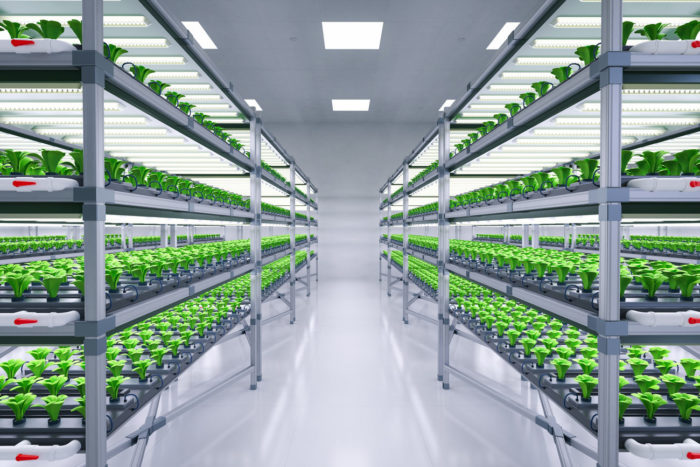
vertical farming is agriculture in a closed space, which purpose is to maximize yield through the compact placement of vertically arranged racks, vertically stacked layers while creating the most favorable conditions for growing.
Vertical farming simultaneously solves essential problems of modern world related to food, but it also has its drawbacks. We will talk about all this in article below.
The history of vertical farming
At first glance, it may seem that vertical farming is a recent development has only become popular in last few years. But no, the growing method was introduced into agricultural practice back in the prosperity times of East Asia and South America native inhabitants. As for more modern period, in 1915 the phrase “vertical farming” was officially established by Gilbert Ellis Bailey (an American geologist).
Not only farmers and people directly related to flora and nutrition, but also architects, scientists of various fields were interested in the topic of effective plant cultivation. Why this happened and still happening now, search on our website in separate research articles.
One of the first “practitioners” of vertical agriculture was a Danish farmhouse in the 1950s, where the idea of building an indoor fully controlled environment was invented. That event was the beginning of vertical farming formation concept and basis for new creation, more advanced efficient cultivation closed systems.
Later, 1999, in one of Dr. Dixon Despommier’s courses, students were given an assignment that required effective solutions’ development to provide food for a growing global population. Exactly at that moment, the “rooftop farm” concept was presented for the first time.
They began to project idea onto Manhattan population and came to the conclusion that there would not be enough food. The concept did not disappear without a trace and evolved into solutions that involve cultivation not on roofs, but indoors. This led to the appearance of first vertical farms prototypes, what we see in a more modern version even today.
The location for vertical farming can be different, it is not necessarily a large room, industrial volumes.
“The main task of that cultivation direction is a controlled environment that provides comprehensive supervision over growth, regulation, efficiency of using space and resources.”
Today, technological solutions allow achieving maximum elasticity in environmental regulation, so it is quite logical that farming community formed the definition of technology and its active use. This technology is called Controlled Agricultural Economy (CEA).
CEA provides synthetic control over the following indicators: temperature, humidity, light power, light intensity, working time, gases. Read more about it in our separate articles.

What are three types of vertical farms?
Active development of crop cultivation vertical type contributed to the search and implementation of various methods, which as a result acquired their final definition in three directions:
- Hydroponic system of vertical agronomy. This method is based on usage of water containers, pools, tanks with liquid that has a certain optimal set of nutrients. The liquid (water) circulates through the system in a closed circuit, which significantly reduces water consumption. As could be seen, there is no soil in such way.
- Aeroponics is a system of vertical farming that does not rely on traditional soil. Instead, it utilizes alternative environments such as coconut husks, synthetically created controlled fog, or water-saturated air. In this method, plants absorb the necessary nutrients through their roots, resulting in reduced water consumption and simplified care.
- Aquaponics – this direction of vertical farming goes beyond just cultivating plants. It incorporates fish into the system, creating a mutually beneficial relationship. In this closed system, plants serve as a natural water purification mechanism, while the fish contribute beneficial bacteria and nutrients. The advantages and unique features of aquaponics include high yield efficiency and water conservation.
For more comprehensive information on each of these vertical cultivation techniques, please refer to other resources available on our website.
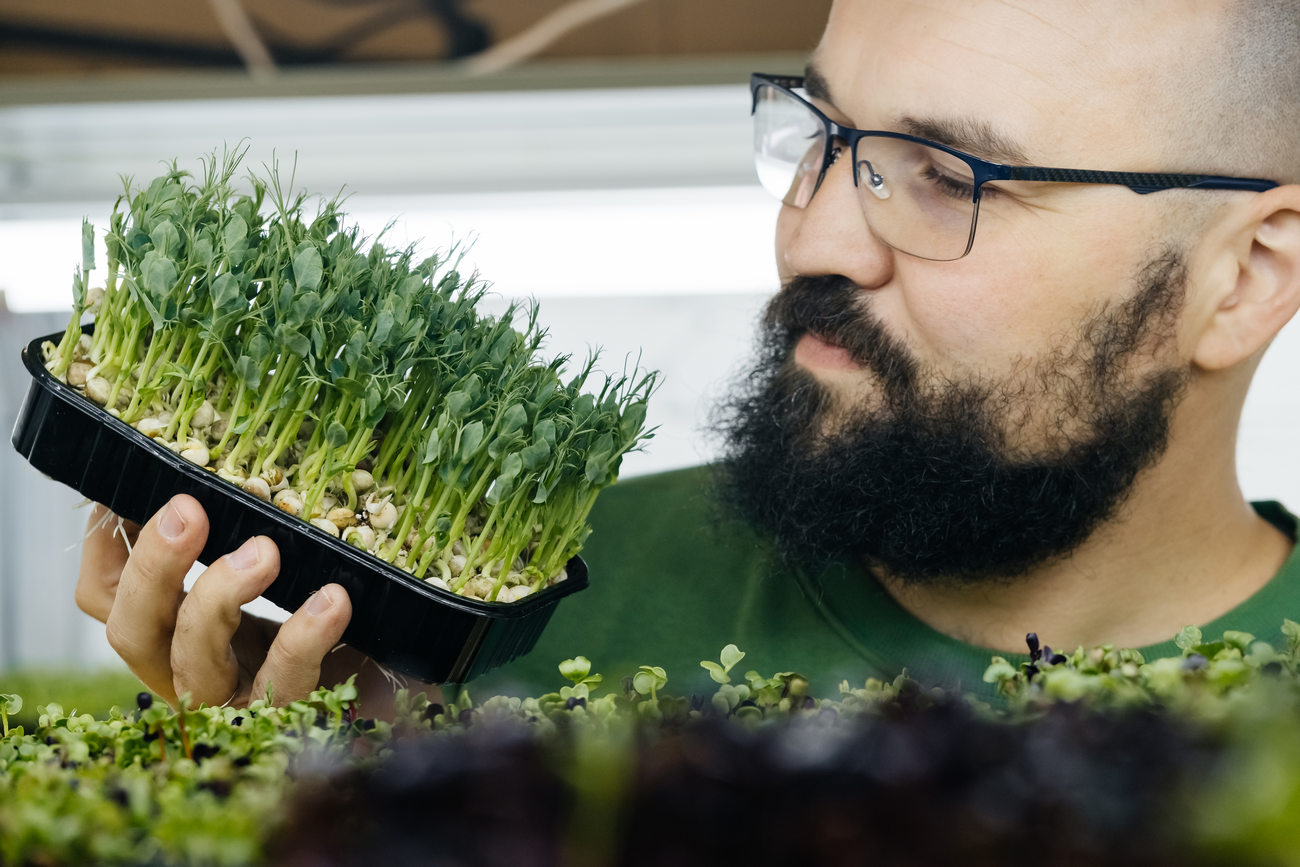
Aspects of vertical farming, features, advantages
For a person who is just beginning to receive information about this agronomy type, it is necessary to more clearly understand the features, factors, pros and cons. Doing it, we will move in our study gradually, touching on one topic after another.
First, let’s define and fix the concept of modern vertical farms, which is based on four generally accepted aspects:
- Physical structure.
- Controlled lighting.
- Alternative growing environments.
- Stability.
Now let’s look at each of these vertical farm elements separately.
Physical structure
The vertical tier arrangement was a logical continuation of developments on the topic of increasing efficiency and yield. This is an evolutionary and expected step towards high productivity, which is the goal successfully achieved by vertical farming.
Year after year, innovative solutions in vertical farming continue to prove their success and economic viability. During this time, the structure of vertical farms has been optimized to achieve its ideal parameters. The main challenge lies in determining the specific areas of focus for each individual enterprise.
The name itself, “vertical farm”, implies the crucial aspect of vertical placement. A farm can only be considered vertical if it utilizes two or more stacked layers arranged vertically, with the precise dimensions of length, height, and depth being secondary details.
For instance, Bowery Farms employs stacked racks across multiple levels, creating dedicated chambers for cultivating fresh greens like basil and arugula. Similarly, companies such as Gotham Greens, Wilder Fields, and Kalera utilize a vertical stacking system for their produce.
On the other hand, True Gardens, an exceptional vertical farm situated in Arizona (USA), boasts a unique tower-like structure.
Despite their distinct designs, all of these companies share a common defining characteristic – height.
Lighting control
Modern indoor vertical farming relies heavily on controlled lighting to ensure its effectiveness. Every aspect of this energy source must be meticulously monitored and regulated to create near-ideal conditions for the rapid growth of plants within a controlled environment.
Some of the popular lighting devices used in vertical farming include the following:
- fluorescent;
- HPS systems;
- LED devices.
Vertical farms often employ a combination of three types of lighting, but when it comes to energy efficiency, LED lamps are commonly used.
Nowadays, computerized solutions with the ability to finely adjust individual settings are widely implemented for regulation and control purposes. These advanced systems allow for precise monitoring and control over the lighting conditions in vertical farming.
Alternative growing environments
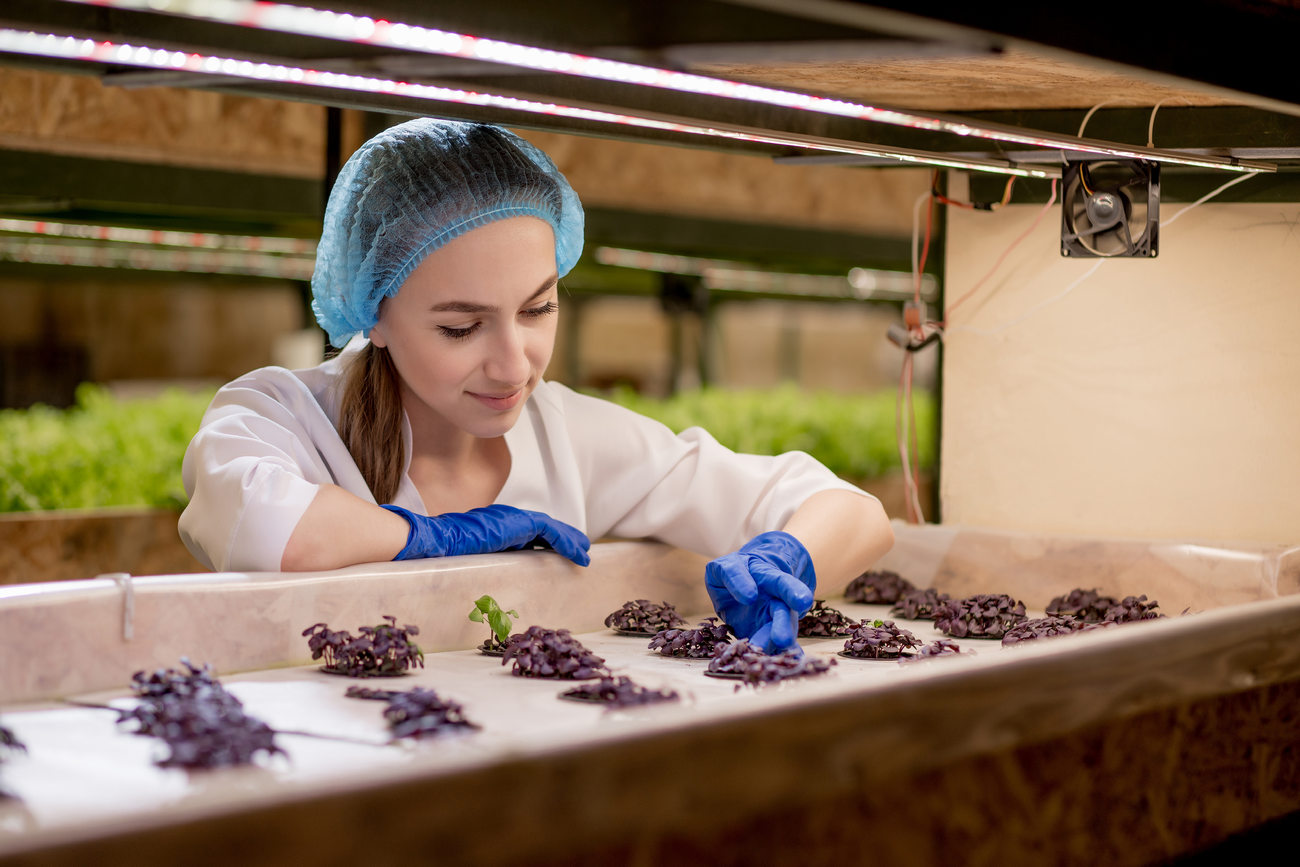
Another aspect of indoor vertical farming is alternative environments’ usage. All indoor farming systems do not require soil. Instead, the products are grown according to the model of hydroponics, aeroponics or aquaponics (we wrote about it above).
Consequently, a farm that incorporates a vertical structure without using soil is no longer referred to as simply a “vertical farm”, but rather a “vertical soil farm.” However, it’s worth noting that such cases are exceptions rather than the norm.
In fact, the term “vertical farming” inherently encompasses these two fundamental factors: a vertical structure comprising two or more stacked layers with plants, and the absence of soil (replaced by alternative growing mediums).
Stability
This term could become the second name of such farms, because it is energy efficiency, saving resources, that is the fundamental component of vertical farming.
Just be aware of the following numbers:
vertical farms use 95% less water!
It concerns not only water, but also other resources. Technologies improve every year, manufacturers of ready-made solutions constantly compete in their products’ efficiency, thereby making vertical farm systems more attractive to connoisseurs of sustainable production.
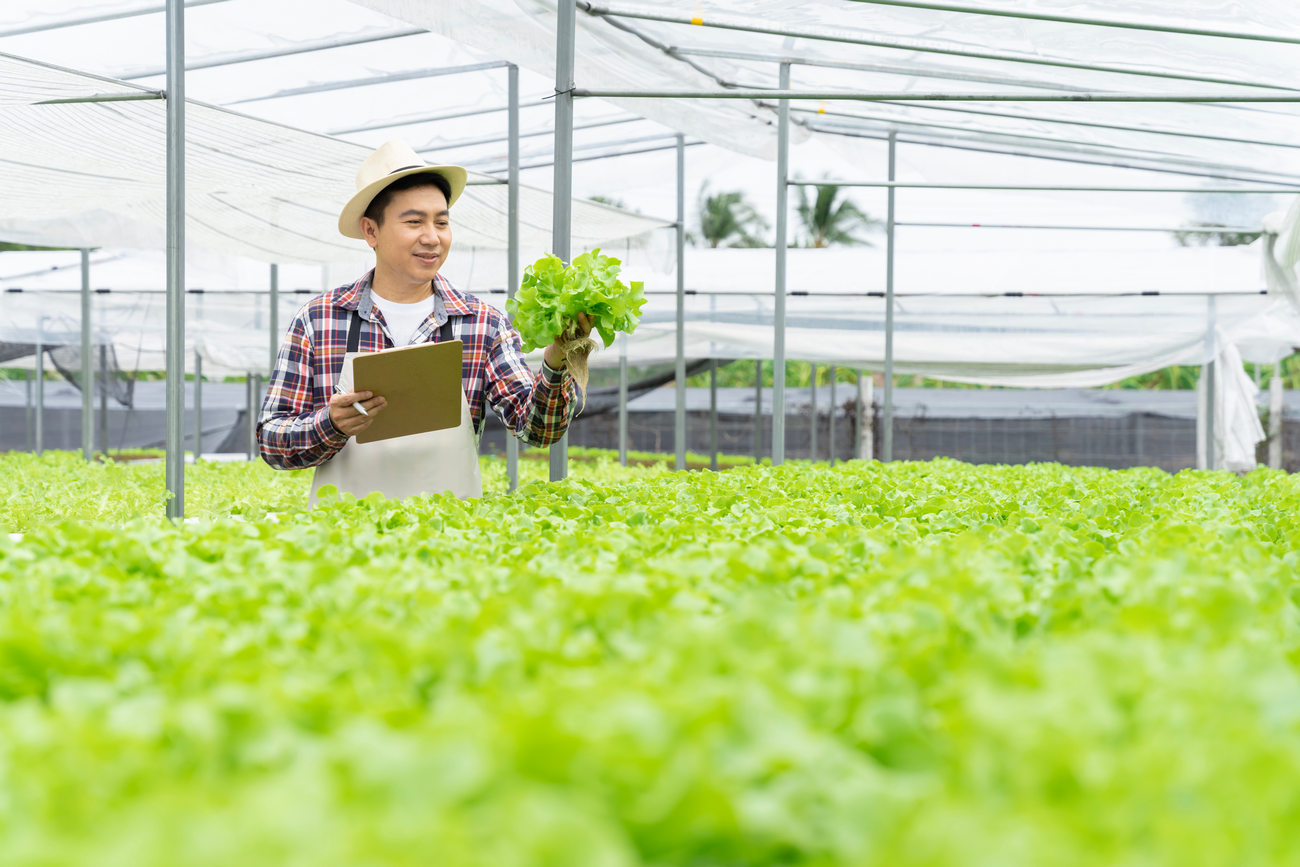
Advantages of Indoor Vertical Farming
Vertical farms are attracting increasing attention not only from passionate farmers but also from ambitious entrepreneurs. This technology is gaining widespread coverage in the news, with more and more companies emerging and gradually transforming the landscape of farming, particularly in urban areas.
This remarkable progress in vertical agriculture is driven by undeniable positive attribute, which we will explore further. Let’s begin with the first feature:
Promising Future
The exponential growth of the human population raises critical concerns about food security. In 2022, the global population reached 8 billion people, but what can we anticipate for 2050, thirty years from now? The rate of population growth is staggering. Presently, over 20,000 individuals perish from hunger daily. Therefore, the significance of effective cultivation techniques becomes even more vital in the coming years.
Vertical farming presents a solution to this challenge by utilizing significantly smaller areas compared to traditional farming methods. The combination of natural and human factors has resulted in a loss of 33% of arable land worldwide over the past four decades. Consequently, vertical farming holds the potential to provide a substantial number of individuals with high-quality and fresh food in the future.
2. Fresh food grown locally
Local vertical farms offer the advantage of providing fresh food directly to the local population.
From the moment of harvest, the products can reach the plate within a matter of hours, or even minutes.
It’s not a far-fetched idea for consumers to visit a vertical farm themselves and personally gather ingredients for their breakfast.
This approach brings several benefits, including savings on transportation, packaging (typically required for long-distance delivery), and labor resources involved in these services. The freshness of the plants grown in such farms remains one of the most significant advantages.
Controlled Environment
Most modern vertical farms have the capability to carefully monitor and regulate key factors that impact the harvest. The implementation of such technological solutions no longer surprises consumers and has become the norm. Each harvest provides valuable insights into cultivation efficiency and enables adjustments to achieve optimal results without compromising product quality.
Parameters such as lighting, humidity, air and water temperature, nutrient content in the liquid and plants themselves, and other indicators are meticulously controlled and can be modified as needed. This feature helps prevent pest infestations and diseases, extend daylight hours, provide adequate water supply and an optimal array of microelements. Additionally, sturdy structures protect the farm from natural disasters, wind, and precipitation. These controlled conditions enable farmers to maintain the desired temperature and achieve the fastest possible harvest time.

Increase in crop production
According to Columbia University, one acre of indoor farming produces the same yield as four to six acres of open land. When it comes to vertical systems, the numbers reach astronomical proportions compared to traditional agriculture methods.
Thanks to the “growing up” concept, plants can be cultivated year-round, resulting in a significantly higher yield.
Enhanced security
Vertical farming offers a safer alternative to traditional methods of growing plants in soil outdoors. The absence of heavy vehicles eliminates the risk of accidents or injuries.
Additionally, there is no need for excessive speed or numerous tools typically required for land processing. Vertical farms also avoid the use of harmful chemicals.
Saving. Better for the planet
Vertical farms consume significantly less energy resources, primarily relying on electricity instead of gas, gasoline, or oil. Consequently, their environmental impact is minimal, as there are no harmful emissions.
Furthermore, indoor vertical growing methods are inherently safe for nature since they eliminate disturbances to the earth’s surface. In contrast, traditional methods, which involve sowing, applying fertilizers, using chemicals, weeding, and harvesting, have a considerable environmental impact.
Economically, vertical farming also has the potential to rely on renewable energy sources such as solar panels, wind turbines, and hydro turbines. For further information on the positive aspects of this agriculture direction, please visit our website to explore a dedicated article.
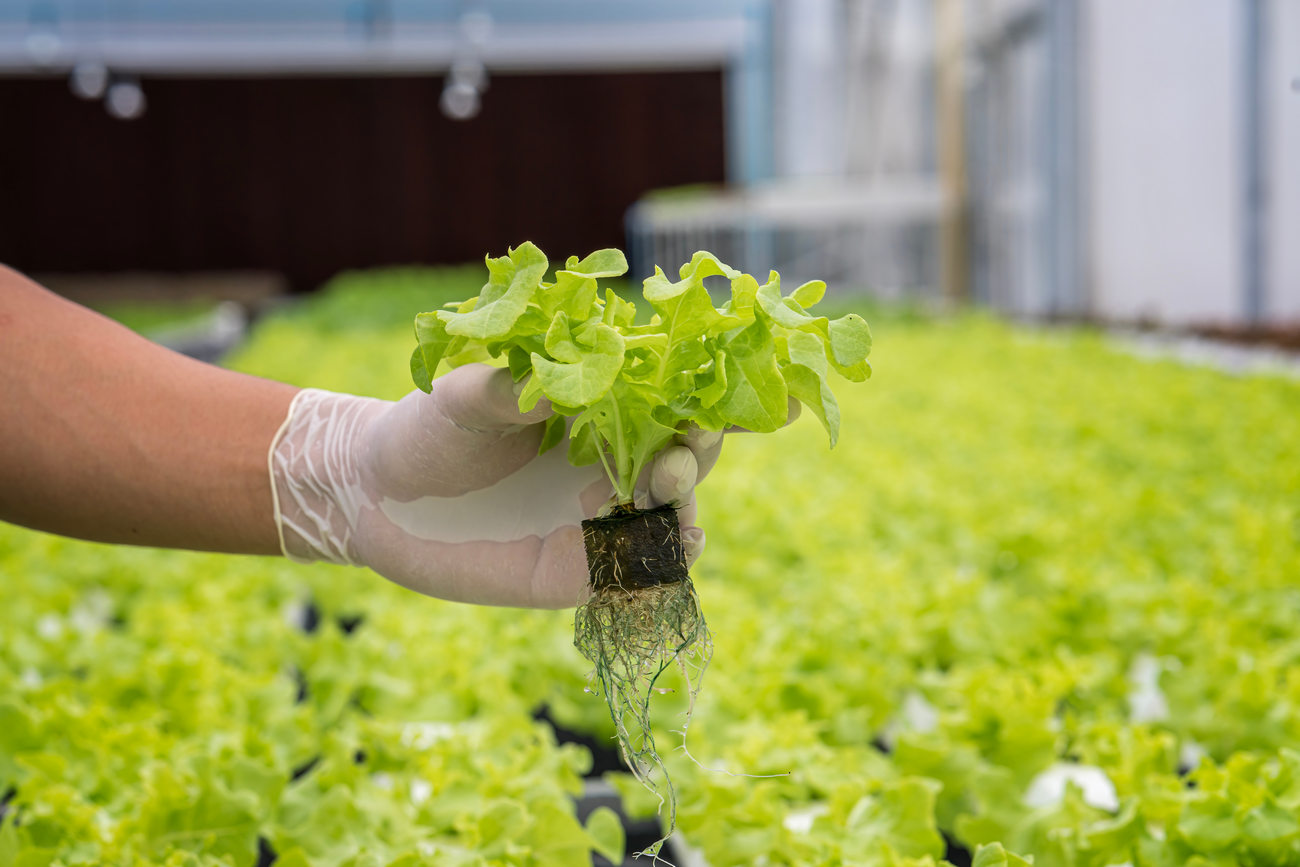
Disadvantages of Indoor Vertical Farming in 2023
While we strive to create flawless technology, it’s important to acknowledge that every new development comes with its drawbacks. In this article, we will discuss the negative aspects of vertical plant cultivation indoors. Here are the main disadvantages that deserve attention:
Ongoing research required
Modern methods of vertical farming are relatively new, and each year brings new advancements that aim to enhance results and harvest yields. With constant changes and continuous industry development, it is challenging to draw definitive conclusions regarding the financial feasibility and the potential to meet humanity’s food requirements.
High capital and operational costs
Establishing a vertical farm from scratch demands substantial financial investments. Costs encompass premises, equipment, care, planting, harvesting, packaging, transportation, customer acquisition, and ongoing expenses.
To embark on this endeavor, one needs not only financial resources but also a deep understanding of agricultural business, financial markets, team building, and personnel management.
Even a small vertical farm with minimal labor costs and modern equipment represents a significant undertaking that may not be within everyone’s reach.
Dependence on energy and water
The enclosed and controlled environment of vertical farming necessitates a complete reliance on electricity and water. Each of these resources plays a vital role in creating optimal growth conditions for plants, including lighting (using lamps), temperature control (heating or cooling through electrical devices), humidity regulation, water supply to plants (via electric pumps), water purification (pumps), and environmental automation and control equipment (powered by electricity).
If either of these resources is disrupted, the entire operation ceases. While solutions such as batteries, generators, and water storage can provide backup, the dependence on these alternatives remains.
This point elaborates on the previous drawback. The dependence on artificial light in vertical farming restricts the use of natural sunlight. The construction of vertical structures itself does not allow for such solutions. In the event of a power outage, the entire farm comes to a halt, leaving all the plants inside in complete darkness.
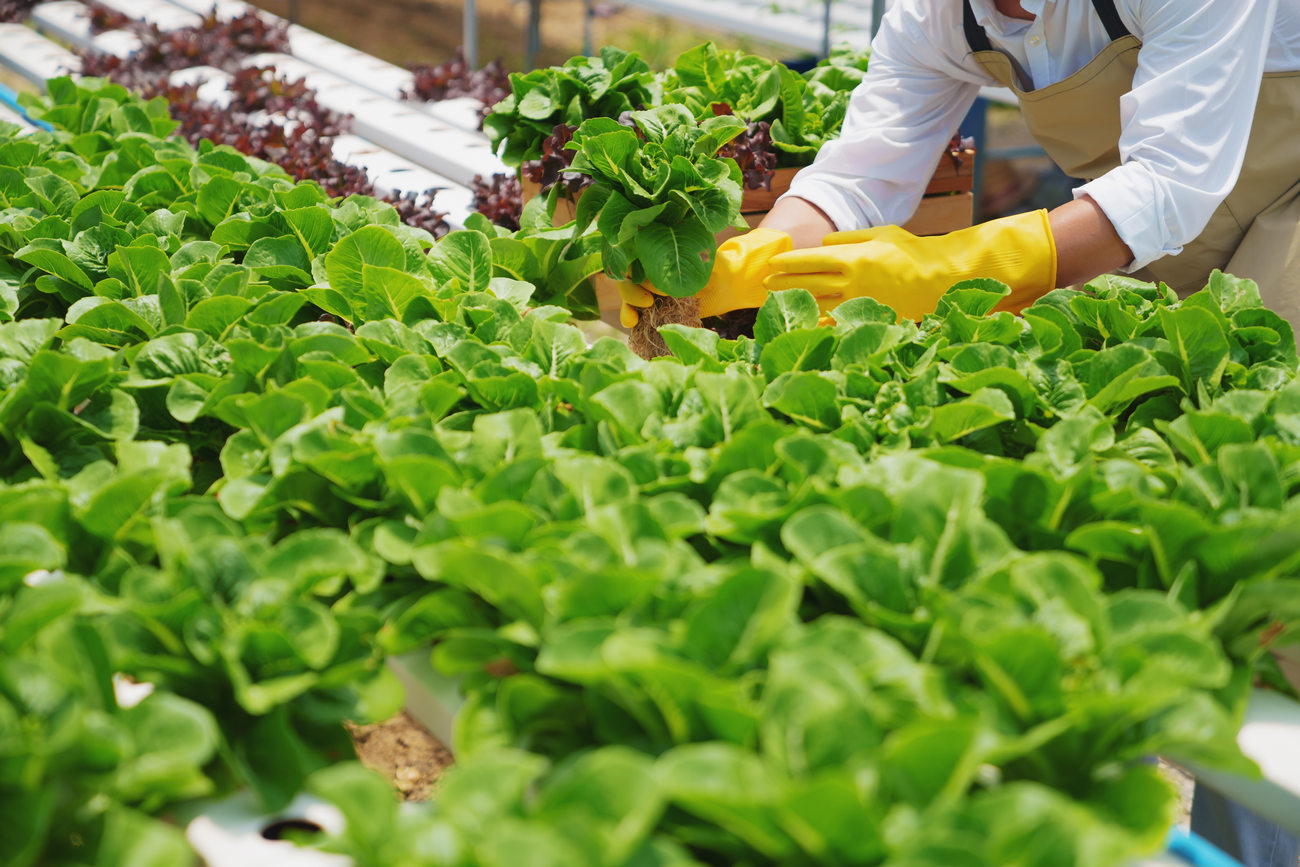
Limited variety
Vertical farms have a relatively narrow range of plants that can be cultivated. Currently, there is high demand for fast-growing leafy greens, such as lettuce, basil, mint, microgreens (such as arugula and radish), bok choy, cabbage, and spinach. Some vertical farms are also experimenting with growing fruits and vegetables like tomatoes, peppers, and strawberries.
However, plants such as potatoes, grains, and trees are not typically grown in this technology as they require specialized conditions that are currently not economically viable.
“Wheat, corn, and rice can prevent famine in Somalia, Bangladesh, or Bolivia, not lettuce. But vertical farms can’t produce them yet. Vertical farms are growing the edge of the plate, not the center of the plate — Jonathan Foley, an environmental scientist based in Minneapolis, says.
By acknowledging these drawbacks, we can better understand the challenges and work towards overcoming them in the pursuit of more sustainable and efficient vertical farming practices.
Indoor Vertical Farming in urban areas in 2023
This poses a significant challenge in the modern world, as the demand for fresh produce is a growing trend that can not only reshape the perception of vertical farming, but also propel the agriculture industry to new heights.
Cities are a valuable resource, home to thousands of consumers who can benefit from the products of indoor farms. To minimize delivery time and transportation costs, there is a rising trend of establishing indoor cultivation farms within city limits.
However, despite these efforts, products from renowned companies are still being exported by air due to the demand for high-quality goods outweighing local sales profitability.
In industrial cities, smaller-scale private farms that produce limited volumes of plants have found their place. These can include vertical farms housed in shipping containers or high-rise buildings.
Vertical farming in urban areas is still in its early stages of development, making it a significant topic of discussion that we will explore further in our materials on this website.
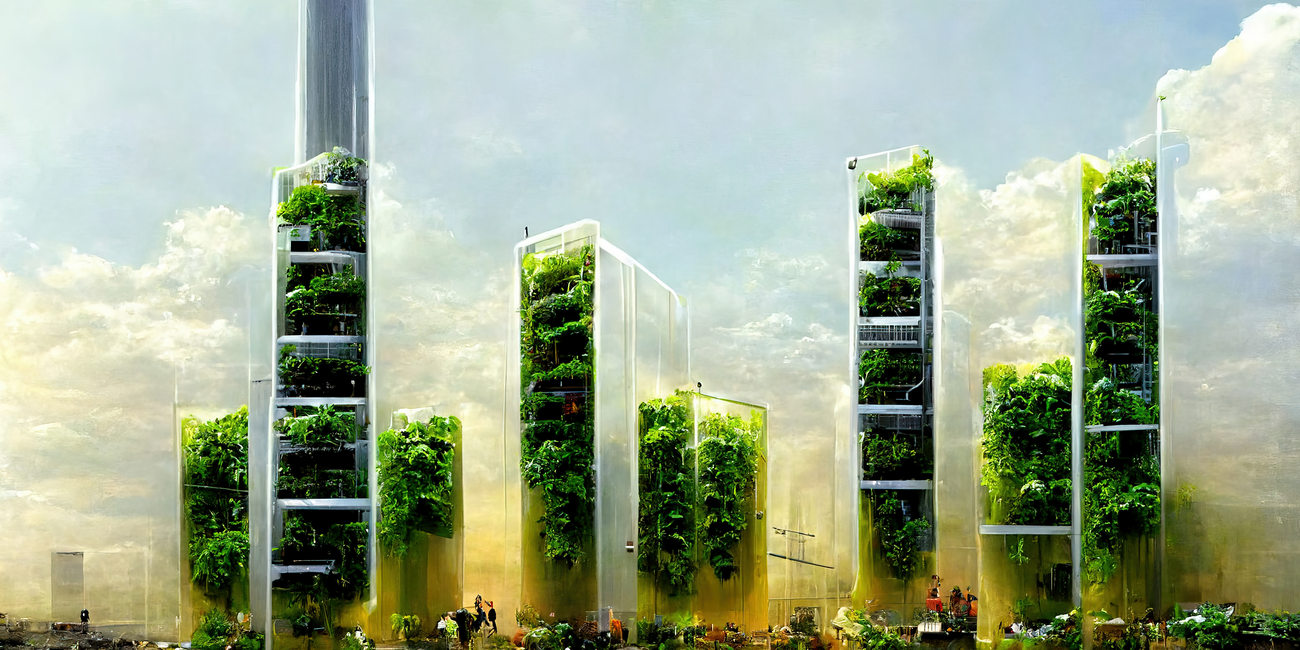
Tips for vertical farming
For those interested in controlled environment cultivation and considering starting their own business or establishing a small indoor farm, we have already discussed the key pros and cons of vertical farms. Now, let’s delve into some advice for aspiring entrepreneur-farmers:
Efficient wastewater management
Often overlooked until confronted directly, the issue of wastewater management is crucial for those planning to build a vertical farm without water recirculation. It is essential to address this matter proactively by developing a wastewater management plan that complies with local legislation and prioritizes the ecological well-being of the environment.
Since each city has its own specific regulations, universal advice for vertical farm’s owners cannot be provided. Researching and obtaining information on the subject is necessary. Prepare yourself for engaging in complex discussions with local authorities and acquiring some permits. Proper wastewater disposal may involve usage of pumps, storage tanks, and other plumbing systems.
Consider plumbing, air circulation, and accessibility
Certain manufacturers of vertical farming systems offer space-saving structures that may appear enticing. However, it’s important to note that maximizing the number of plants in vertical structures is not always the most practical approach.
Allow ample space between and around the rack systems to accommodate plumbing, ensure proper air movement, and provide easy access for workers. Agronomists, cleaners and other workers will need to navigate between the vertical stacked layers to carry out tasks such as changing or cleaning them periodically. Failing to provide sufficient room for free movement can make these processes exceedingly difficult to execute properly.
Selecting the right supplier
When it comes to modern and advanced vertical farming systems, it’s important to recognize that quality comes at a cost. This is a situation where cutting corners is not advisable. Take the time to carefully choose your equipment supplier. Each component of a vertical farm has its own unique characteristics, advantages, and disadvantages.
Before making a purchase, compare multiple options, with a particular focus on visiting real farms or demonstration sites where you can see the structures or equipment for indoor agronomy in action firsthand. This will provide valuable insights and help you make an informed decision.
Choosing suitable plant varieties
To ensure successful vertical production, it’s essential to select plant varieties that are well-suited for this method. Choose plants for indoor agriculture that flower before they grow too tall, preventing excessive height that can occupy valuable space on each tier.
Selecting the right plants for vertical farming is a significant topic that we will explore in detail through additional articles on our website.
Building a skilled workforce
The size of your vertical farm will determine the need for additional staff. While small-scale indoor farms like shipping containers or home structures may be managed individually, larger farms will require a capable workforce.
If your expertise lies outside the realm of farming, but you possess business acumen, it’s crucial to recruit skilled individuals who possess the knowledge and experience in successful plant cultivation.
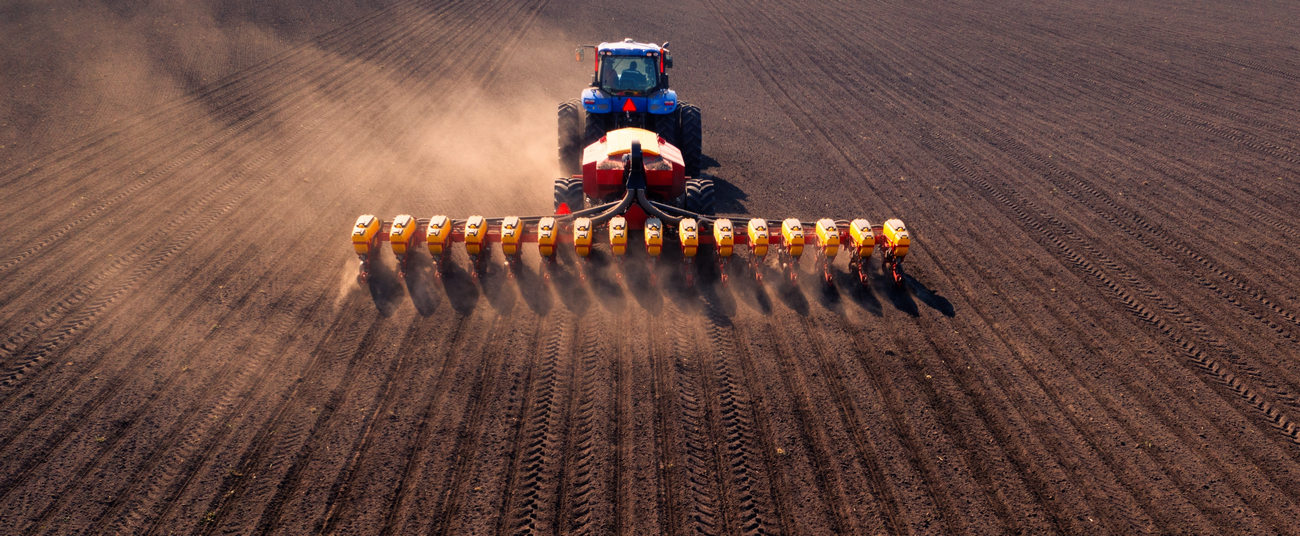
Vertical Farming versus Traditional Farming
This confrontation has a long-standing history and will persist as long as there is even a small patch of fertile land on the planet.
Traditional methods have been available to everyone and date back to our evolutionary roots.
Vertical farming, on the other hand, is a technological innovation that, with the advancement of automation, achieves impressive yields and productivity on limited land areas without the need for soil.
Each of these approaches has its own advantages and disadvantages, and every sector of the agriculture has the right to exist. On our website, we will delve into this aspect further through the following subtopics:
- Traditional greenhouse or two floors of hydroponics?
- Can a vertical farm successfully grow grain?
- How much water is required to cultivate a hectare of wheat?
- Will vertical farming eventually replace traditional open-field cultivation methods?
- Vertical vs. Traditional Farming: Which is More Sustainable?
- The Future of Agronomy: Vertical Farming vs. Conventional Methods.
- Economic advantages of vertical agriculture compared to conventional farming.
- Vertical and traditional farming: a cost-benefit analysis.
These topics represent just a portion of the issues we aim to explore. Stay updated on our website to ensure you don’t miss the publication of relevant articles that discuss topics of interest, specifically the comparison between traditional agriculture and modern vertical farming.
Key Points:
- Traditional methods require larger land areas.
- Soil-based cultivation necessitates greater attention to pests and diseases.
- Crops grown outdoors are vulnerable to damage from humans, animals, and parasites.
- Traditional agriculture is reliant on weather, seasons, and sunlight.
- Vertical farms can achieve faster harvests.
- Vertical structures depend on energy and water; without these resources, plants may suffer from inadequate light and nutrients, resulting in reduced yields or complete loss.
- Vertical farming do not require industrial machinery such as tractors, harvesters, and other equipment, leading to significant cost reduction and lower risk of injuries.
These are only a few of the comparative points. The full list of features and characteristics of each approach will be provided in the forthcoming article on this topic.
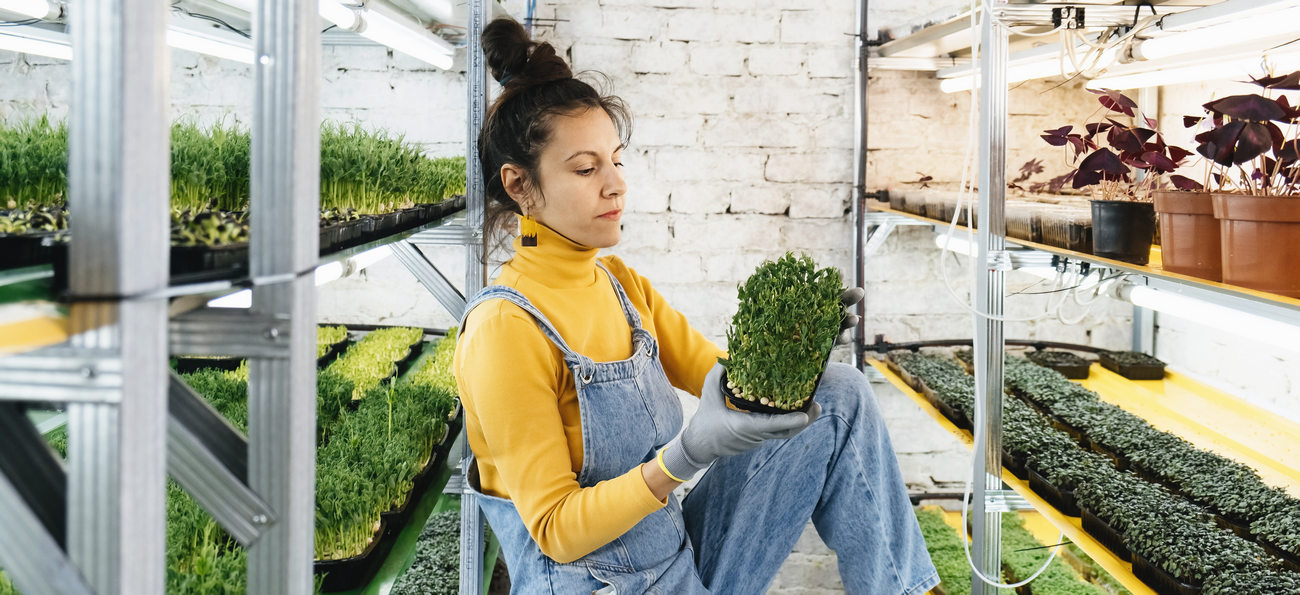
Vertical Farming Today. World Trends in 2023
Vertical agriculture is rapidly advancing year after year. Companies worldwide are opening more and more facilities, constantly competing in terms of size, growing areas, and daily production volumes of edible products.
The vertical farming industry is currently experiencing an active growth stage and gaining popularity in 2023. It is not only major players in the financial market who are interested in this technology, but also private entrepreneurs with small farms catering to local needs.
Vertical farming is a field that will never fade into obscurity or decline. It offers undeniable advantages and is based on resource conservation and maximizing yield. This agricultural technology will continuously improve and become more efficient.
The modern space of vertical format agronomy consists in constant improvement of existing technological processes, AI using in automation, new methods’ development of cultivation and environmental control.
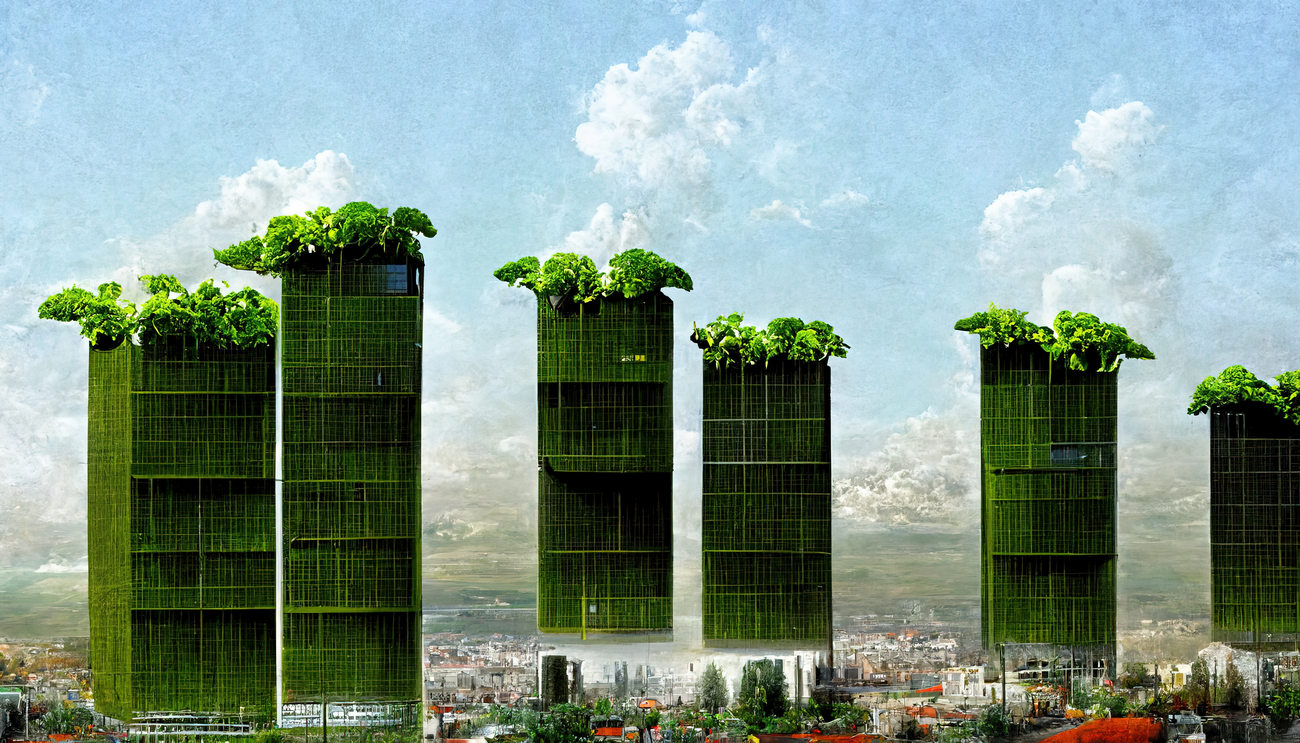
The future of vertical farming
Tomorrow will always be both a test and a life for this type of agronomy. Food cannot become superfluous for humanity, we will constantly try to improve our cultivation methods and indoor vertical farms are the best fit for this, there is something to optimize the process of obtaining quality products. Of course, the future is primarily about solving problems and implementing innovative tools.
Will indoor farming be able to reach a new level (for example, national) and become a full-fledged and integral part of developed countries, become the basis for the development of a whole constellation of agricultural technologies?
Can our desire to achieve more with less lead to optimal consumption?
The destiny of vertical farming lies within our hands. Our thoughts generate actions, our aspirations foster determination, and our confidence fuels results. Personally, I aspire to be part of this future and witness the emergence of new technologies in vertical agriculture. I hope to make even a modest contribution to the collective effort of improving the process of plant cultivation.
I’m not merely thinking; I am thoroughly convinced that the future of humanity lies in adopting a vertical approach that will prove to be highly effective in addressing all the significant food-related challenges posed by the planet’s growing population.
Top-5 Best Vertical Farming Companies in 2023
Currently, vertical plant cultivation is gaining significant traction, with companies from various regions of the world establishing extensive complexes of buildings. These farms are not only impressive in terms of their size but also provide a unique opportunity to witness the advancements and evolution of modern technologies. Each of the companies we will discuss strives to optimize the vertical farming process, focusing on efficiency and the integration of innovative developments, rather than solely expanding their production areas.
Let’s introduce you to some of the vertical farming companies that have the potential to become global leaders in the coming years:
AgriCool

This is a French company founded in 2015 by two people (Guillaume Fourdinier and Gonzague Greux). AgriCool grows fruits and vegetables using vertical farming technologies (including strawberries, coriander, parsley, basil). The company uses a closed loop water system and LED lights. They also use recycled shipping containers involved in the production of food without pesticides and preservatives.
Bowery Farming

An American vertical farming company that is also engaged in the digitization of agriculture. They have the largest farms in the United States in terms of acreage and volume of production, and the main farms are located in Pennsylvania, New Jersey and Maryland. Bowery Farming grows leafy greens, vegetables and fruits (lettuce, basil, cabbage, strawberries, cucumbers, tomatoes).
Freight Farms
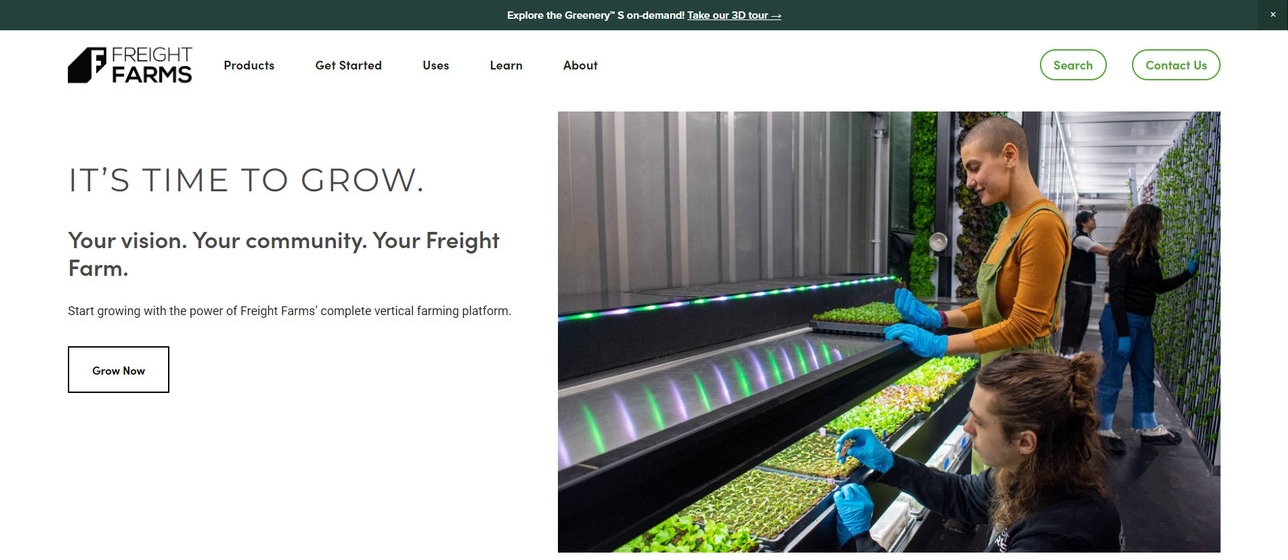
Another American company engaged in vertical indoor farming. In addition to growing plants, they produce container farms. Freight Farms is, at the time of writing (2023), the market leader in the production of hydroponic systems designed specifically for growing in shipping containers.
AeroFarms

One of the few vertical farming companies that successfully grows plants using aeroponic cultivation. AeroFarms products can often be found in supermarkets under the names Baby Bok Choy, Micro Rainbow mix, Micro Rukola, Micro Broccoli and others. The company has fruitful cooperation with Cargill, which is engaged in the cultivation of cocoa beans.
Grow Pod Solutions

American company that produces modern optimized vertical systems for growing herbs and leafy crops. They have their own development, GrowPods: an automated micro-farm capable of scaling.
We have mentioned only the top 5 companies related to vertical farming by revenue as of mid-2023. You can find a list of the best companies and startups on a separate page of our website, or check up the Companies section.
Conclusions
The objective of this article is to acquaint visitors to our website with the concept of vertical farming and provide them with a brief overview of optimized indoor crop cultivation. In separate articles, we will delve into more detailed information and share updates on the vertical farming technology market.
Vertical cultivation is currently going through an exceptional phase of active development, which we consider to be its golden era. This period is characterized by the introduction of new technologies, expansion of growing areas, and an increasing number of companies contributing to the overall advancement of the industry.
We sincerely hope that the information provided has been valuable to you and that you have gained new insights into plant cultivation using the vertical method.
If this is indeed the case, we encourage you to subscribe to our site updates and visit us regularly to access new materials, read news, and witness the continued growth of vertical farming together with us!
Vertical farming is such a game-changer! It’s amazing how we can grow crops in a space-efficient way, reducing the need for vast farmlands. Plus, it feels good knowing that it’s a sustainable solution. Thumbs up to vertical farming! Great article, thank you so much. All main info in one place
Wow, this article is so informative! I never knew how much space vertical farming could save. It’s like a game-changer for urban agriculture. Can’t wait to see more sustainable practices like these being adopted globally.