
Do not let anyone claim that the methods and tools utilized in vertical farming lack undeniable benefits. That is precisely what we will discuss in this article. If you are interested in learning about the 21 advantages of vertical farming, please stay with us, read on, and acquire new information. You can also explore other articles on our website, which is entirely dedicated to the topic of vertical indoor farming.
For an average inhabitant of planet Earth, vertical farming may sound quite unusual. A person who has never heard of this cultivation method might envision various structures and technologies. So, what can we say about the advantages of this type of farming? Our goal is to provide clear and simple explanations for beginners, highlighting the merits of vertical growing in comparison to traditional methods. However, let’s begin with the basics and fundamental knowledge.
What is vertical farming?
In our times, more and more often we use the services of artificial intelligence, so it is not surprising this time I decided to add a little variety to the process of writing an article and asked Chat GPT to describe in one apt sentence what Indoor Vertical Cultivation is. And this is the answer I got:
“Indoor vertical cultivation involves the practice of growing plants in a controlled environment, typically stacked vertically in tiers or racks, utilizing artificial lighting, hydroponic or aeroponic systems, and precise climate control to optimize plant growth and maximize space efficiency.”
If I did not agree with him, I would not publish this definition. Also, for a deeper dive into the topic of cultivating plants in a controlled environment, I advise you to read the article on our website “All about Vertical Farming”.
And on this page, our task is to talk about the 21 advantages of vertical farming, so let’s go straight to them.
Advantage 1: Optimal use of space
The conventional approach to crop cultivation involves utilizing large areas of land. If the space is unsuitable for farming, it needs to be adapted by clearing forests, draining swamps, or making other modifications to enable agricultural activities.
Vertical farming, on the other hand, does not require soil or extensive land areas. This stands out as one of the main and most significant advantages of this cultivation method. The area in which plants grow is used with maximum efficiency, ensuring that every square centimeter is utilized. This leads to the creation of structures: racks or floors, vertically stacked layers in each farm.
Advantage 2: Independence from the environment
Growing plants indoors automatically provides protection against external factors. Most modern vertical farms operate uninterrupted throughout the year, irrespective of their location or the characteristics of the surrounding environment. You can easily establish a vertical farm in the mountains, deserts, in city, or even beyond the Arctic Circle.
Advantage 3: Reduced cost of transportation
The urban placement of vertical farms makes their distribution points easily accessible. Unlike traditional farming, crop producers do not need to transport their final products across countries and oceans. Instead, they can establish farms in proximity to their customers. This shortens the supply chain, resulting in reduced transportation costs and carbon emissions.
Advantage 4: Stable and high yield
Regardless of what anyone may say, vertical plant cultivation offers extremely high and consistently stable yields. By implementing appropriate settings and promptly addressing changes and technical issues, one can achieve consistently high productivity throughout the year. This is made possible by the independence from external factors such as sunlight, wind, air temperature, water, and nutrients. All the necessary conditions are artificially created, fostering an ideal environment for plants to thrive and produce more efficiently.
Advantage 5: Less water consumption
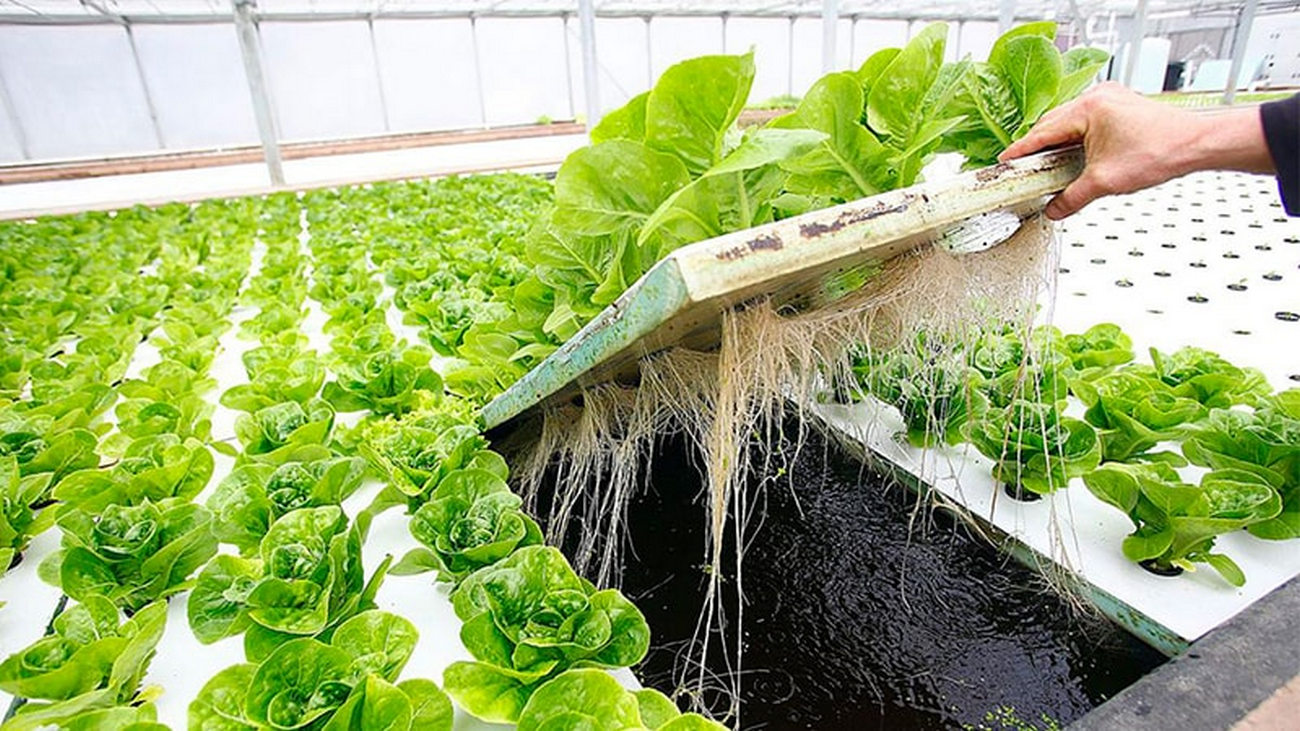
The research conducted on water usage in vertical farms over the past three years is astounding. On average, these farms utilize 95% less water compared to traditional farming methods. Some advanced techniques, indoors systems, achieve nearly waste-free water consumption, utilizing 99% of this vital resource. Hydroponics, aeroponics, and aquaponics play a significant role in achieving these remarkable savings.

Advantage 6: Zero use of agrochemicals
Within a controlled indoor environment, concerns about plant diseases and water contamination are nearly eliminated. Modern growing systems enable precise control of all indicators, creating conditions close to sterility. Consequently, the battle against pests and plant diseases becomes much more manageable.
Advantage 7: Energy efficiency
Vertical farming rely on electricity for their operation. Without this resource, no farm can function. However, when comparing the costs of lighting and powering electronic devices with those of traditional agriculture, it becomes apparent that indoors are much more cost-effective. This results in a reduction in carbon emissions into the atmosphere. Vertical farming are also catalysts for the development of alternative energy sources and closed-loop systems for recycling heat, water, and production waste.
Advantage 8: Minimized occupational risk
Compared to traditional agronomy, vertical farming offer significantly higher levels of personnel safety. They eliminate the need for heavy and cumbersome machinery that can lead to accidents and injuries. Furthermore, there is no exposure to fuels and agrochemicals that are harmful to human health. The cultivation spaces are designed to provide comfort and ensure the safe execution of tasks by workers.
Advantage 9: Low labor costs
While this may disappoint some, modern vertical farms require minimal human labor, as automated systems handle a substantial portion of the workload. These systems operate continuously without the need for rest and swiftly respond to any deviations within the enclosed environment. Consequently, reliance on human intervention is minimized, work volume increases significantly, and profits rise due to reduced labor costs.
Advantage 10: Reliable year-round crop production
Vertical plant cultivation can operate throughout the year without interruptions for lunch breaks, holidays, or vacations. Their closed environment remains unaffected by weather conditions, such as extreme temperatures, rainfall, tornadoes, or droughts. A vertical farm provides a stable and ideal condition for plant growth, ensuring consistent productivity.
Advantage 11: Environmentally friendly
Vertical farming contributes to biodiversity by avoiding soil disturbance and depletion. This allows the natural population of flora and fauna to thrive around indoor farms, in contrast to traditional farming practices. Additionally, the reduced consumption of fossil resources (such as oil, gas, and coal) leads to a significant decrease in carbon emissions and environmental pollution.
Advantage 12: Development of science and technology
The effectiveness of cultivation in vertical farms relies on the implementation of high-quality technological solutions that provide ideal conditions for plants, including precise control of water, light, air, and humidity levels. Farm owners continually collaborate with equipment manufacturers to enhance existing tools and methods, as well as to develop revolutionary solutions that could address future food security challenges on Earth. Modern vertical farming are driving advancements in science and technology, aiming to achieve more reliable, faster, and more economical plant growth. The use of artificial intelligence-based equipment is increasingly prevalent.
Advantage 13: Provision of new jobs
There is a misconception that modern vertical farms are entirely automated. While some fully automated farms exist, the majority of indoor cultivation requires human resources with expertise in electronics, programming, and agricultural or technical education. The range of job opportunities in indoor cultivation enterprises is diverse. One can imagine the potential employment opportunities if buildings in large cities transitioned to vertical grow, utilizing all available spaces such as roofs, building facades, and staircases.
Benefit 14: Protection against pests
Indoor cultivation systems prioritize high-quality control at every stage, from seed to air composition. In such conditions, the occurrence of pests is minimized. Even if foreign organisms enter the premises, they are promptly and thoroughly eradicated due to constant monitoring by both humans and electronic surveillance.
Advantage 15: Protection against plant diseases
The meticulous environmental control described in the previous paragraph creates near-ideal conditions for the growth of any crop. Diseases commonly found in traditional open-field agriculture are extremely rare in vertical farms. Protection against diseases is achieved without the use of chemicals, resulting in environmentally friendly crops.
Advantage 16: Productivity all year round
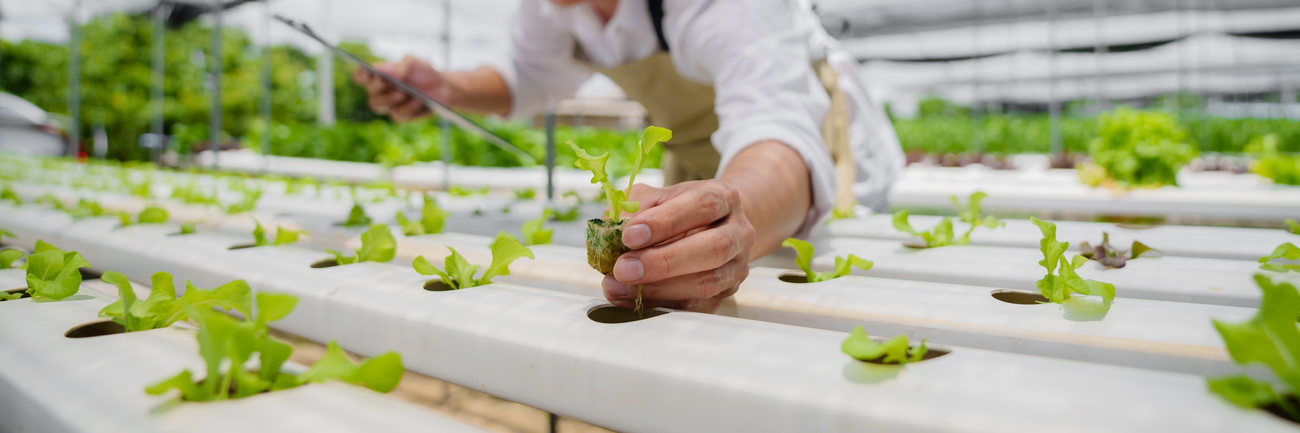
Vertical farms can operate continuously as long as they have the necessary means to monitor the environmental conditions, a stable power supply, and water availability. Unlike seasonal crops, plants can be harvested year-round in vertical farming. And each harvest is of high quality, delicious, and environmentally friendly.
Benefit 17: Less crop loss
While grow methods have achieved significant success, even experienced farmers may experience crop losses. This can occur due to two common reasons:
- Inexperienced farmers who are new to vertical cultivation and make common mistakes.
- Technical failures within the farm, such as power outages or equipment malfunctions. However, these challenges do not significantly impact the overall results, as the numerous other advantages outweigh such troubles. Crop losses in vertical farming are still much lower than in traditional agronomy.
Benefit 18: Protection from animals and weeds
Indoor vertical farming eliminates the presence of unwanted plants. In extremely rare cases, they may appear, but they are quickly removed. The same applies to animals, which often cause harm and reduce productivity in traditional farming (e.g., birds, cows, goats, sheep, dogs, etc.). On vertical farms, the only potential harm comes from humans, but that is a completely different story.
Advantage 19: Use of alternative energy sources
Vertical farms are increasingly utilizing alternative energy sources to power electrical appliances. Solar panels, windmills, generators, and batteries (for stability) are being employed. Addressing future food security involves enhancing the efficiency of indoor cultivation, which can only be achieved by reducing energy costs — the foundation of all vertical production.

Advantage 20: Ability to scale easily
Vertical farms are known for their efficient use of space. Initially, you can start with three floors of plants. As profits increase over time, you have the opportunity and desire to add ten more floors. Modern vertical farming systems already offer scalable solutions and successfully implement them. With proper management, investments in business scaling will certainly yield returns.
Advantage 21: Ability to fully automate the entire process
There are already vertical farms where human involvement is minimized. Essential tasks such as seeding, irrigation, harvesting, environmental monitoring, and controlling air and water temperature, as well as packaging, are performed by automated tools. Although this cultivation method is not yet widely adopted, it has the potential to significantly expand the area of vertical farms and, consequently, increase the volume of the harvest.

Conclusions
As you can see, the advantages of vertical farming are impressive, inspiring, and instill confidence in the future of this industry.
Cultivation in a controlled environment is highly effective, supported by advanced technology, and demonstrates positive growth trends for both small farms and large companies worldwide. However, it is important to acknowledge that these advantages also have potential drawbacks.
We discuss the disadvantages of vertical plant cultivation in a separate article. We encourage our readers to subscribe to site updates and explore other articles on our platform.
We would greatly appreciate it if you could share this article among friends and individuals interested in modern plant farming.
I’ve been experimenting with a small vertical garden at home, and the results are fantastic. It’s not just about maximizing space; it’s also about having fresh herbs and veggies right at your fingertips. Vertical farming is definitely the future of urban agriculture!